
Concrete Mastery: How to Use Plastic Formwork Like a Pro
When it comes to concrete construction, precision and efficiency are essential for success. Whether you’re building foundations, walls, or slabs, the right tools and techniques can make all the difference. One of the most powerful tools in a contractor’s arsenal is plastic formwork, an innovative solution designed to streamline concrete pouring while saving time, reducing costs, and improving the quality of your builds.
In this blog, we will guide you through everything you need to know about using plastic formwork like a pro. From the benefits of plastic formwork to expert tips on getting the best results, we’ve got you covered.
What is Plastic Formwork?
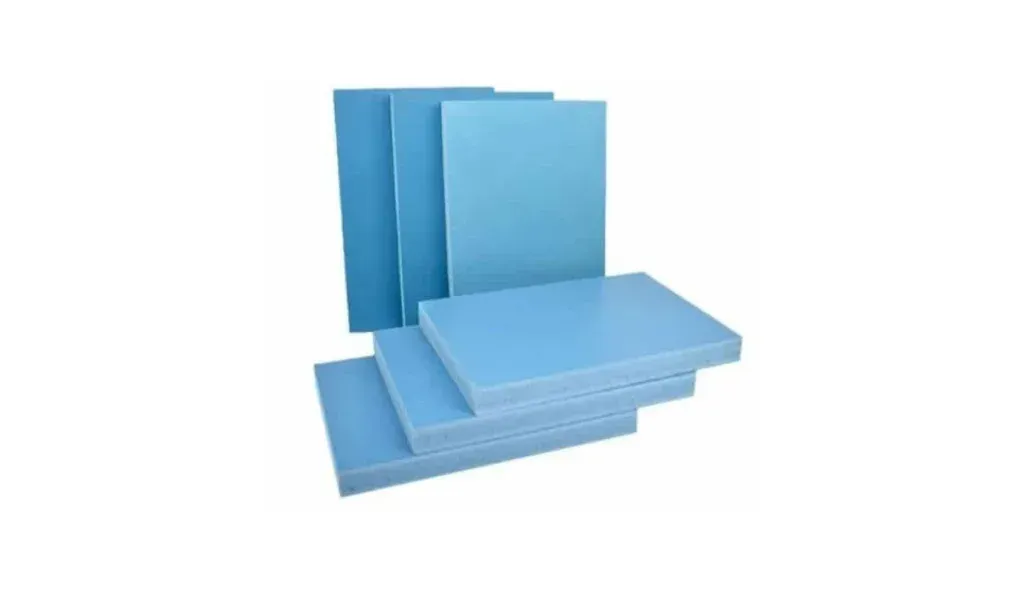
Plastic formwork is used to create moulds for casting concrete. Unlike timber or steel, plastic formwork sheets are made from a durable engineered plastic that is waterproof, easy to work and reusable. Sheets or modular panels are assembled to form the shape and size of the concrete element you need.
Plastic formwork is popular for its durability and reusability, making it suitable for a wide range of projects, from houses to civil works. Because sheets last 50–100+ uses, crews spend less time replacing and re-cutting worn formwork.
Why Choose Plastic Formwork?
Choosing plastic formwork over traditional materials offers numerous advantages that will make your concrete construction projects more efficient and cost-effective. Here’s why you should consider making the switch:
Cost Savings
Although plastic formwork usually costs more upfront than plywood, its reusability makes it more economical over time.
Durability and Longevity
Plastic formwork is waterproof, so it doesn't swell, delaminate or rot like plywood, and it won't rust like steel. It holds its shape over 50–100+ uses, so you get the most out of your investment.
Easy to Use
Plastic formwork is easy to work with. Sheets can be cut, drilled and nailed with standard site tools, and they are much lighter than steel forms, so you don't need heavy machinery to handle them.
Less Waste
Because plastic formwork can be reused 50–100+ times, far fewer worn sheets end up in the skip than with plywood that needs replacing every few pours.
Smooth Concrete Finish
Plastic formwork gives a smooth, consistent surface for concrete pours. This can reduce patching, rendering or grinding afterwards, saving time and money.
Step-by-Step Guide to Using Plastic Formwork Like a Pro
Now that you understand the benefits, it’s time to dive into how to use plastic formwork effectively. Follow these expert tips to ensure flawless execution in your concrete projects.
Plan Your Formwork Layout
Before assembling your formwork, it’s essential to have a detailed plan in place. Determine the dimensions of the concrete structure, the shape you need to create, and how the formwork will be positioned. Make sure you account for factors like the weight of the concrete and the pressure it will exert on the formwork.
Using modular plastic formwork allows you to easily adjust the size and shape, but careful planning is still crucial to avoid delays and ensure a perfect fit.
Prepare the Site
Ensure that your job site is properly prepared before setting up the formwork. The surface should be clean, level, and free from debris. Any unevenness in the ground can lead to issues with alignment or stability during the concrete pour.
It’s also a good idea to check the weather forecast, as extreme conditions like heavy rain or high winds could impact the setup and stability of your formwork.
Assemble the Plastic Formwork
Assembling plastic formwork is straightforward due to its modular nature. Start by connecting the panels or sheets according to your planned layout. Most plastic formwork systems come with simple locking mechanisms that make it easy to connect pieces securely.
When assembling, ensure that all panels are aligned properly and that the joints between the panels are tight to prevent concrete from leaking out. Secure the formwork with ties or clamps to maintain its shape and stability during the pour.
Apply Release Agent
To ensure that the concrete doesn’t stick to the formwork, apply a release agent to the inside surfaces. This will make it easier to remove the formwork after the concrete has cured, leaving a smooth finish behind. Be careful not to overapply the release agent, as this could affect the texture of the concrete.
Pour the Concrete
Pouring too quickly can overload any formwork and cause it to shift or bulge, so follow the pour-rate limits in the formwork design.
Use a vibrator or tamping rod to remove any air bubbles from the concrete, ensuring that it fills the entire mould evenly. This step is crucial for preventing voids and ensuring the structural integrity of the finished concrete.
Monitor the Curing Process
Plastic formwork is unaffected by rain, but it's still a good idea to monitor the site and make sure nothing interferes with curing.
Remove the Formwork
Once the concrete has cured, carefully dismantle the formwork by unlocking the panels or sheets. Thanks to the release agent, the formwork should come away easily, leaving a smooth concrete surface behind. Clean the plastic formwork immediately after use to remove any residue and prepare it for its next application.
Common Mistakes to Avoid
Even the pros can make mistakes when working with plastic formwork. Here are a few common pitfalls to avoid:
Skipping the release agent: Failing to apply a release agent can make it difficult to remove the formwork without damaging the concrete surface.
Incorrect assembly: Misaligning the formwork panels can lead to uneven concrete pours and poor structural quality.
Pouring too quickly: Pouring concrete too fast can cause the formwork to shift, resulting in uneven or bulging surfaces.
Ignoring the weather: Extreme temperatures or weather conditions can affect the curing process, so always keep an eye on the forecast.
Why Plastic Formwork is Essential for Your Next Project
If you want to cut formwork replacement costs and get a consistent finish, plastic formwork is worth a look. Its durability and reusability suit both small and large projects.
With the right planning, preparation, and techniques, you can use plastic formwork like a pro, ensuring your concrete structures are built to the highest standards.
Get a Quote
Plastic Formwork supplies reusable plastic formwork sheets for residential, commercial and civil projects.
Get a Quote and tell us about your next project.
Contact us to learn more or to get expert advice on integrating plastic formwork into your construction processes.