
Efficient Column Formwork Setup Techniques
Efficient Column Formwork Setup: A Step-by-Step Guide
Efficient column formwork setup directly affects structural integrity and project costs. This guide covers techniques, materials, and safety protocols to help you achieve durable, cost‑effective results. You will learn key materials, the benefits of plastic formwork, assembly steps, safety practices, and how efficient setups influence budgets and schedules.
Why Choose Plastic Formwork Panels Over Timber or Steel?
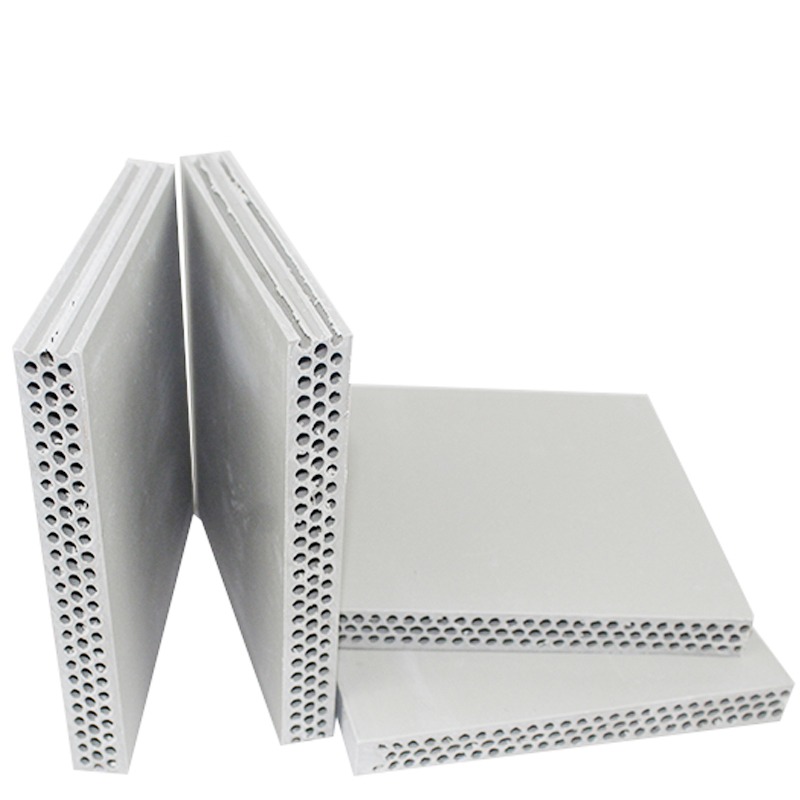
Plastic formwork panels offer clear advantages over timber: they're reusable 50–100+ times and waterproof, so they don't swell or delaminate in wet conditions, and they're much lighter than steel forms.
Because each sheet is reused many times, far less worn formwork ends up in the skip. When you balance cost, finish quality and waste, plastic is a strong choice.
How Do Plastic Formwork Panels Improve Durability and Handling?
Plastic panels are waterproof and don't swell, giving them a long service life and consistent performance that helps avoid delays caused by worn formwork.
They can be cut, drilled and nailed with standard tools and they release cleanly, which helps speed setup and stripping.
How to Assemble Concrete Column Moulds Efficiently
Efficient assembly secures structural integrity and meets design specifications. Key steps include:
Prepare the Site: Clear the area to allow for easy movement and accessibility.
Select Necessary Tools: Gather the required tools such as levels, hammers, and clamps.
Assemble the Panels: Begin by aligning the panels accurately to prevent misalignment during pouring.
Secure the Structure: Use bracing systems to ensure stability during concrete pouring.
Careful planning and precise execution ensure a smooth pour that meets quality standards.
What Are the Step-by-Step Column Formwork Assembly Techniques?
Clear assembly techniques—layout planning, panel assembly and securing moulds—are essential for improving results and minimising rework.
Layout Planning: Identify and mark the positions for columns based on architectural blueprints.
Panel Assembly: Connect panel sections carefully, ensuring they fit tightly.
Bracing Installation: Add necessary supports to maintain shape during concrete curing.
Finishing Steps: After curing, remove panels according to specified guidelines and check for any needed repairs.
Following these steps streamlines the process and reduces the risk of assembly errors.
What Are the Best Formwork Safety Protocols for Column Setup?
Safety protocols are essential during column formwork setup. Key safety measures include:
Personal Protective Equipment (PPE): Ensure all workers are equipped with helmets, gloves, and safety boots.
Tool Safety: Regularly check tools for proper functioning to prevent accidents.
Design and Inspection: Follow the formwork design and your state or territory WHS requirements. Safe Work Australia's formwork guidance and AS 3610 are the key references.
Following these protocols protects workers and improves overall project stability.
How Does Efficient Formwork Setup Improve Project Costs and Timelines?
Efficient formwork reduces waste and lowers costs—reusable materials like plastic reduce material expenses, while efficient assembly saves labour hours and boosts productivity.
Good formwork practice avoids rework and lets later stages start on schedule.
Investing in efficient column formwork techniques helps you deliver projects on time, on budget, and to the required quality standards.
Frequently Asked Questions
What are the common challenges faced during column formwork setup?
Typical issues include panel misalignment, insufficient bracing and unplanned environmental impacts. Misalignment can cause structural faults; weak bracing raises collapse risk; weather affects curing and material performance. Mitigate these risks with thorough site assessments, strict adherence to assembly guidelines, and regular inspection of tools and materials.
How do environmental factors affect the choice of formwork materials?
Weather conditions strongly influence material choice. In wet climates, choose moisture‑resistant plywood or plastic to avoid warping. In hot, sunny areas, select materials with UV and heat resistance. Factor weather resilience alongside sustainability and performance when selecting formwork materials.
What are the benefits of using reusable formwork systems?
Reusable systems cut waste and disposal costs, lower long‑term project expenses, and deliver consistent quality across multiple builds. Their durability and quicker assembly can shorten schedules and improve labour productivity and profitability.
How do you ensure compliance with safety regulations during formwork installation?
Ensure compliance by conducting risk assessments, training workers on safety procedures and PPE use, and performing regular safety audits. Keep safety communication open and maintain a clear emergency response plan for unforeseen incidents.
In what ways can technology enhance column formwork setup?
Technology improves design, planning and monitoring. BIM visualises and simulates formwork before installation to reduce errors. Drones and sensors assist site monitoring and safety checks, while project management software optimises scheduling and resource allocation, raising efficiency and accuracy.
What maintenance practices are essential for extending the lifespan of formwork materials?
Clean panels after each use to remove concrete residue, inspect for damage and repair or replace compromised components, and store materials in a dry, protected area. These practices extend service life and ensure dependable performance on future projects.
Conclusion
Efficient column formwork setup reduces rework, cost and delays. Reusable plastic formwork sheets (50–100+ uses, waterproof, no swelling) cut the cost of replacing worn plywood. Get a Quote for your next column pour.