
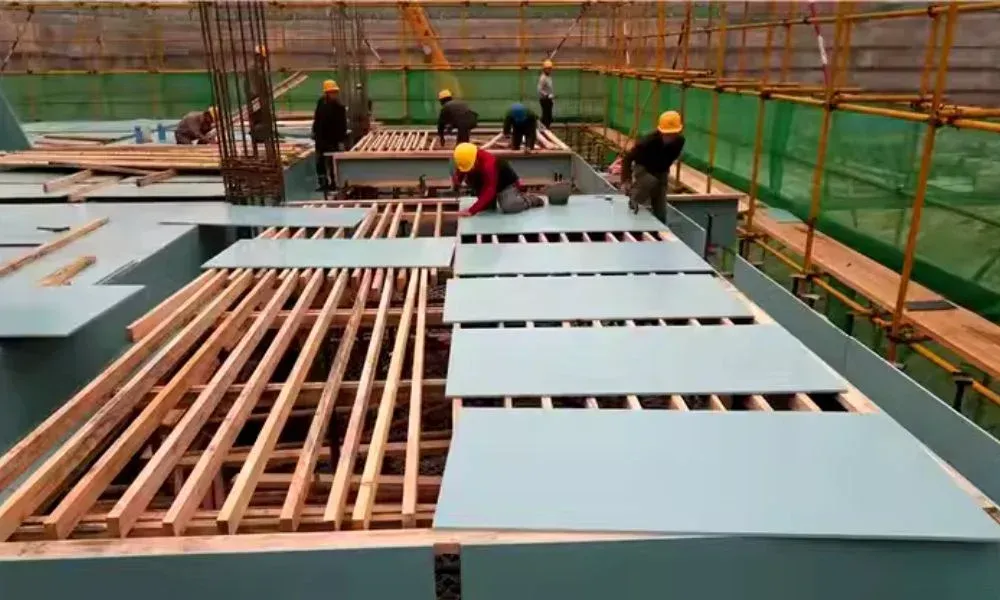
How Plastic Formwork Streamlines Concrete Column Construction
Concrete column construction is an essential part of many large-scale building projects, from high-rise buildings to bridges and infrastructure. The materials used for formwork in constructing these columns can have a significant impact on the project’s timeline, budget, and overall quality. Plastic formwork is now a practical alternative that can streamline column work and reduce formwork replacement costs.
In this comprehensive blog, we will dive deep into the advantages of using plastic formwork for concrete column construction. We’ll explain how plastic formwork enhances the efficiency of column construction, reduces labour and material costs, and provides long-term benefits. By the end, you'll know where plastic formwork fits in your column work.
The Importance of Concrete Column Construction
Concrete columns are vital structural elements that support the weight of the building or infrastructure they are part of. For these columns to perform their function effectively, they must be constructed with precision and strength. This is where formwork comes in.
Formwork serves as a mould into which wet concrete is poured, allowing it to harden and take the shape of the desired column. The quality of the formwork directly affects the precision of the finished column, as well as the efficiency of the construction process.
Traditionally, materials like timber and plywood have been used for formwork in concrete column construction. While these materials offer flexibility, they come with limitations such as reduced durability, high labour costs, and the need for frequent replacements. In contrast, plastic formwork offers a modern alternative that addresses these challenges while streamlining the entire construction process.
How Plastic Formwork Improves Concrete Column Construction
Plastic formwork has several practical advantages for concrete columns. From reuse to finish quality, it can help contractors improve efficiency and quality and reduce waste.
Easy to Handle and Work
Plastic formwork is easy to handle and work. It is much lighter than steel column forms, and sheets can be cut, drilled and nailed with standard site tools.
That means less reliance on cranes for small column forms, and less time cutting and fixing replacement plywood.
Durability and Reusability
Plastic formwork sheets are designed for 50–100+ uses. In contrast, timber or plywood formwork often degrades after just a few uses, requiring frequent replacements. This makes plastic formwork a more cost-effective solution, particularly for large-scale projects where the formwork will be used repeatedly.
Because the sheets are waterproof and don't swell, they keep their shape from pour to pour, which helps keep columns consistent and reduces rework. As with any formwork, column forms must be designed and braced for the concrete pressure.
Water Resistance
Unlike timber, which absorbs moisture and can warp or swell, plastic formwork is waterproof. This makes it ideal for use in wet or humid environments where exposure to moisture could compromise the integrity of other formwork materials.
Faster Installation and Removal
The ease with which plastic formwork can be installed and removed is one of its most valuable benefits for contractors. Because plastic formwork releases cleanly and can be cut to suit, it can be set up and stripped quickly once the concrete has gained enough strength.
This speed and efficiency reduce the amount of time spent on setting up and taking down formwork, allowing workers to move on to the next phase of construction more quickly. Faster installation and removal also reduce the likelihood of delays, keeping projects on schedule and within budget.
Reduced Labour Costs
Labour costs are a significant portion of any construction budget. Less time replacing and re-cutting worn sheets means lower labour costs on repetitive column pours.
Additionally, because plastic formwork is reusable, there is no need to purchase new materials for each new column. This cuts down on material costs, making plastic formwork a more cost-effective solution for contractors working on large projects.
Precision and Quality of the Finished Column
The smooth surface of plastic formwork ensures a high-quality finish for the concrete columns. Unlike worn timber, which can leave grain marks and imperfections, plastic formwork gives a smooth, consistent face, which can reduce patching and finishing after stripping.
The precision provided by plastic formwork is especially important for large-scale projects, where consistency and quality are paramount. The reduced need for surface corrections means that contractors can complete projects faster and with fewer resources.
Cost Savings with Plastic Formwork
Plastic formwork offers significant cost savings for contractors involved in concrete column construction, especially for large-scale projects. Plastic formwork usually costs more upfront than plywood, but with 50–100+ uses per sheet it can save up to 70–80% on replacement costs.
Here’s how plastic formwork can reduce costs:
Reusability: With 50–100+ uses per sheet, plastic formwork cuts the need for frequent replacements.
Reduced Labour: Less re-cutting and re-plying of worn forms frees crews for other work.
Simple Maintenance: Sheets usually just need a wash and inspection between pours.
Fewer Deliveries: Replacing fewer sheets means fewer deliveries of new formwork to site.
For contractors working on multiple projects or long-term developments, the cost savings associated with plastic formwork can make a significant impact on profitability.
Less Waste on Site
Plastic formwork also reduces site waste.
Plywood formwork is often discarded after just a few uses. Because plastic sheets are reused 50–100+ times, far fewer worn sheets end up in the skip.
Conclusion: The Future of Concrete Column Construction
Plastic formwork gives column work durable, waterproof sheets that last 50–100+ uses and a smooth, consistent finish.
By choosing plastic formwork, contractors can streamline column work, cut replacement costs and improve finish quality. Get a Quote for your next project.