
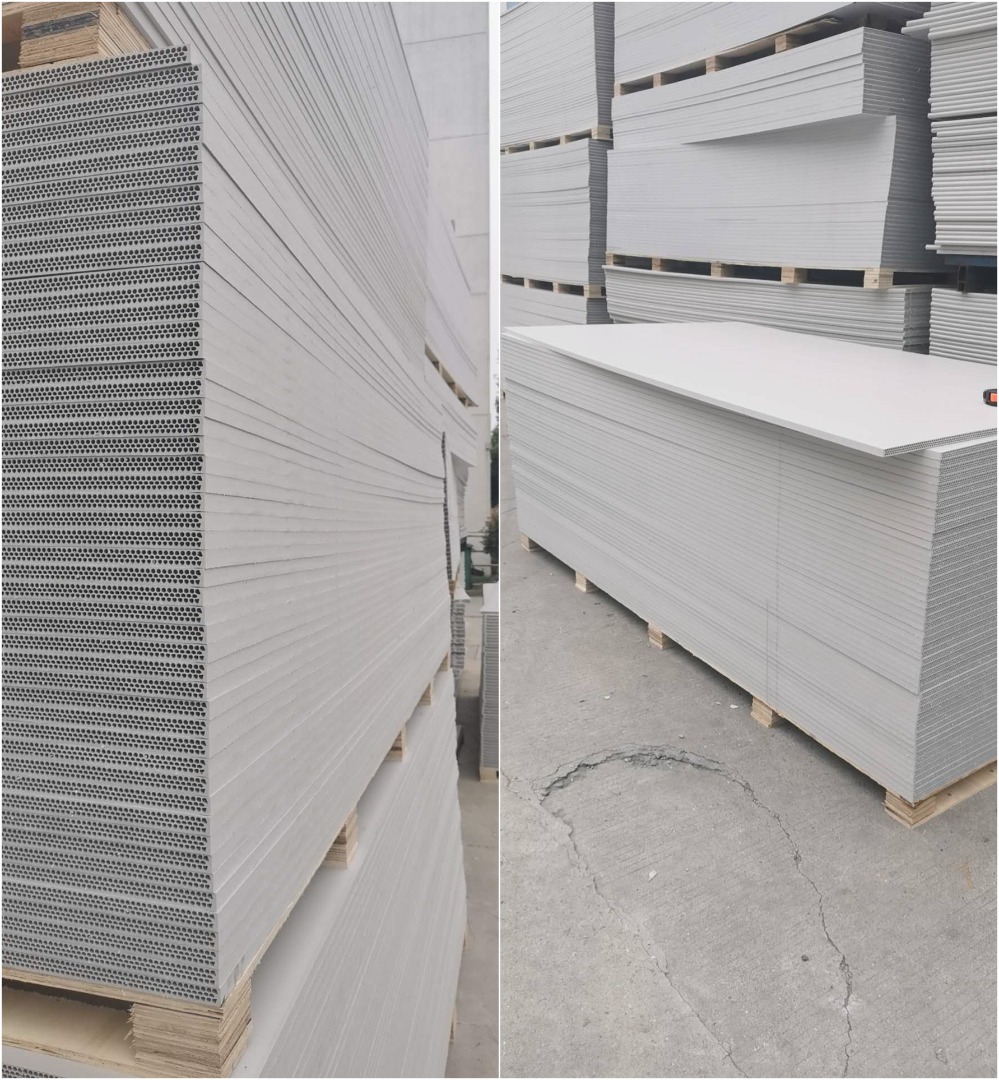
Plastic Formwork for Columns

Plastic Formwork for Columns: Design and Setup Guide for Efficient Concrete Column Construction

June 18, 20268 min read

Plastic Formwork for Columns: Design and Setup Guide for Efficient Concrete Column Construction

Plastic formwork systems are revolutionizing the construction industry by offering innovative solutions for concrete column creation. These modular systems not only simplify the construction process but also enhance efficiency and cost-effectiveness. Plastic formwork is designed to be lightweight and reusable, making it an eco-friendly alternative to traditional materials like timber. This guide will delve into the design principles, materials, assembly techniques, durability factors, safety standards, and the cost benefits associated with plastic formwork for columns. Additionally, we will explore the environmental impact of using such systems, thus providing a comprehensive understanding of their relevance in modern construction practices.

What are Modular Plastic Concrete Column Forms?

Modular plastic concrete column forms are prefabricated structures designed to shape and support concrete during the curing process. These forms are manufactured from high-density polyethylene or similar plastics, which provide several advantages over traditional formwork systems.

Plastic formwork's adaptability allows for various column sizes and shapes, thereby accommodating different architectural designs. Additionally, the lightweight nature of these systems reduces labor costs and improves assembly speed, leading to significant time savings on construction projects. Particularly in urban environments, plastic formwork can help speed up the construction process while ensuring quality and stability in finished structures.

How Does Modular Design Improve Column Formwork Efficiency?

Modular designs greatly enhance column formwork efficiency through several key aspects:

  1. Reduced Assembly Time: The pre-engineered components allow for quick and easy assembly, minimizing labor hours on-site.

  2. Adaptability to Column Variants: Modular plastic forms can be customized for various column shapes and sizes, accommodating unique design specifications without extensive rework.

  3. Cost Savings Through Reusability: The durable nature of plastic formwork enables multiple uses, resulting in lower material costs over time and reduced overall expenditures.

These factors collectively contribute to a more streamlined and cost-effective construction process.

What Materials and Components Make Up Plastic Column Formwork Systems?

The primary materials used in plastic column formwork systems include high-density polyethylene (HDPE) and polypropylene, known for their strength and durability. The essential components of these systems typically consist of:

Panels: These form the outer shape of the columns and are designed to withstand the pressure of wet concrete.

  • Braces: Used to secure the panels in place during the pouring and curing processes.

  • Aligners: Help maintain the vertical alignment of the columns, ensuring structural integrity.

The choice of materials affects not only the immediate cost of the formwork but also its longevity and performance in various weather conditions, making material selection a critical aspect of the overall design process.

How to Design Plastic Formwork for Columns: Key Principles and Guidelines

Designing effective plastic formwork requires an understanding of several foundational principles to ensure optimal performance and safety. These guidelines are crucial for architects and engineers involved in constructing concrete columns.

What Are the Essential Column Formwork Design Guidelines?

Effective design guidelines for column formwork emphasize several critical factors:

Load Distribution Considerations: The design must accommodate dynamic loads during and after concrete pouring, ensuring stability throughout the curing process.

  1. Safety Factors in Design: Incorporating safety margins accounts for potential overrides in load and environmental conditions.

  2. Standard Measurements for Designs: Adhering to established dimensions aids in compatibility and simplifies the construction process, allowing for quick assembly and erection.

Understanding these design principles is vital to producing reliable and safe concrete structures.

How Do Vertical Concrete Casting Forms Ensure Structural Stability?

Vertical concrete casting forms are essential for maintaining the structural stability of columns during curing. They must align precisely to prevent deformation and ensure correct load transfer. The design of these forms involves considerations such as:

Alignment: Proper vertical alignment prevents buckling and ensures the planned dimensions of the columns are achieved.

  • Material Strength: The integrity of the used materials must withstand the hydraulic pressures exerted by the wet concrete, preventing failures that could compromise structural quality.

Employing high-quality materials and precise engineering practices not only supports the construction process but also enhances the durability and longevity of the finished columns.

What Are the Step-by-Step Column Form Assembly Techniques Using Plastic Formwork?

Assembling plastic column forms can be straightforward if proper techniques are utilized. Following these guidelines can help ensure a successful setup.

How to Assemble and Align Plastic Column Formwork Panels Correctly?

Correct assembly of plastic column formwork panels involves several key steps:

  1. Panel Preparation: Start by inspecting all panels for damages and ensuring they are clean before assembly.

  2. Positioning the panels: Align the panels according to the design specifications while ensuring they are secured in place with braces.

  3. Adjusting for Alignment: Use vertical supports to adjust and lock the panels in their correct positions, checking for level and plumb frequently during the process.

These steps reduce the likelihood of errors during concrete pouring, ultimately enhancing the build quality.

Which Accessories and Vertical Support Forms Are Required During Setup?

Auxiliary accessories are critical for supporting plastic formwork during assembly. Key items include:

  • Braces: Used to hold form panels securely against lateral pressures.

  • Shims: Help in fine-tuning the alignment for vertical accuracy.

  • Anchors: Provide added stability, particularly in windy conditions or where high-pressure concrete is being poured.

Utilizing the right accessories not only promotes safety during the construction phase but also ensures that the final product meets the required specifications.

What Are the Material Properties and Durability Factors of Plastic Column Formwork?

Understanding the material properties and durability factors of plastic formwork systems is essential to ensure they meet long-term structural demands.

How Does Plastic Formwork Compare to Traditional Timber in Durability and Reusability?

Plastic formwork offers superior durability compared to traditional timber in several metrics:

  1. Lifespan Comparisons: Plastic forms can last for multiple uses without significant degradation, while timber typically requires replacement after a few uses.

  2. Reusable vs Single-Use Costs: The initial costs for plastics may be higher, but the lifetime value through reusability bears significant savings compared to sacrificial timber.

  3. Environmental Impact Considerations: Plastic forms typically generate less waste as they are reused multiple times, making them an environmentally friendly option.

These comparisons demonstrate the clear advantages of using plastic formwork in a sustainable building environment.

Which Maintenance Practices Prolong the Life of Plastic Formwork Systems?

To extend the life of plastic formwork systems, several maintenance practices are advisable:

  1. Regular Cleaning: Keeping formwork free of concrete residue ensures cleaner usage for subsequent projects.

  2. Inspections for Damage: Frequent checks for signs of wear and tear can prevent failures during the critical setting period.

  3. Proper Storage: Storing formwork in a cool, dry place avoids exposure to extreme temperatures that can lead to material degradation.

These maintenance routines enhance the longevity and reliability of plastic formwork systems, ensuring optimal returns on investment.

How Do Safety and Compliance Guidelines Impact Plastic Column Formwork Design and Setup?

Adhering to safety and compliance guidelines is crucial in designing and implementing plastic column formwork systems.

What Are the Safety Standards Relevant to Column Formwork Systems?

Key safety standards in the industry for column formwork systems include:

ANSI/ASCE Standards: Establishing benchmarks for safe construction practices.

  • OSHA Regulations: Ensuring workplace safety for laborers involved in the assembly and pouring phases.

  • Local Building Codes: Compliance with regional standards prevents legal complications and ensures the safety of the structure.

Understanding and complying with these regulations is vital to maintaining legal and safety standards in construction projects.

How to Ensure Vertical Alignment and Load Stability for Safe Concrete Pouring?

Proper alignment and load stability during concrete pouring are essential for safety and quality. Techniques to ensure this include:

  • Using Leveling Instruments: Tools like laser levels help double-check vertical alignment before pouring begins.

  • Conducting Load Tests: Performing weight tests on forms prior to pouring can verify their load-bearing capacity.

  • Scheduled Inspections: Regular checks by supervisors can ensure ongoing compliance with alignment and stability requirements.

Employing these strategies significantly reduces the risk of accidents and ensures successful project outcomes.

What Are the Cost and Environmental Benefits of Using Plastic Formwork for Columns?

Considering both cost and environmental aspects provides a comprehensive view of the advantages of plastic formwork systems.

How Does Reusable Plastic Formwork Reduce Material Waste and Save Costs?

Utilizing reusable plastic formwork directly influences cost savings and material wastage.

  1. Statistics on Waste Reduction: Transitioning from traditional timber forms to plastic can reduce building waste by significant amounts.

  2. Cost Analyses: The reusability factor leads to lower purchases over time, impacting overall project budgets positively.

  3. Comparison of Lifecycle Costs: When assessed over multiple uses, plastic formwork offers substantial savings compared to disposable timber alternatives.

These elements showcase the economic viability and environmental sustainability of investing in plastic formwork systems.

Are There Case Studies Demonstrating Efficiency and Sustainability of Plastic Column Forms?

Several case studies illustrate the effective use of plastic column forms:

  • High-Rise Construction Projects: Implementing plastic formwork in high-rise developments has shown reductions in labor time due to quicker assembly processes.

  • Residential Builds: Numerous residential construction projects have highlighted waste reduction through the use of durable plastic forms compared to timber.

  • Sustainable Development Programs: Initiatives focusing on reducing carbon footprints have successfully adopted plastic formwork to highlight eco-friendly construction practices.

These examples reinforce the claims of efficiency and sustainability that plastic forms offer in modern construction settings.

Back to Blog
Author name
About the Author

Alastair Carey

Founder & Principal Quantity Surveyor

Alastair Carey is the Founder and Principal Quantity Surveyor at Measure Manage. With a BSc in Quantity Surveying from the University of Ulster and recognition from RICS, he has spent years delivering cost management across construction, mining and infrastructure projects throughout Australia. Based in Perth, he helps construction businesses control costs and bring projects in on budget.

Contact

FOLLOW US

© 2026 Plastic Concrete Formwork. All rights reserved.