
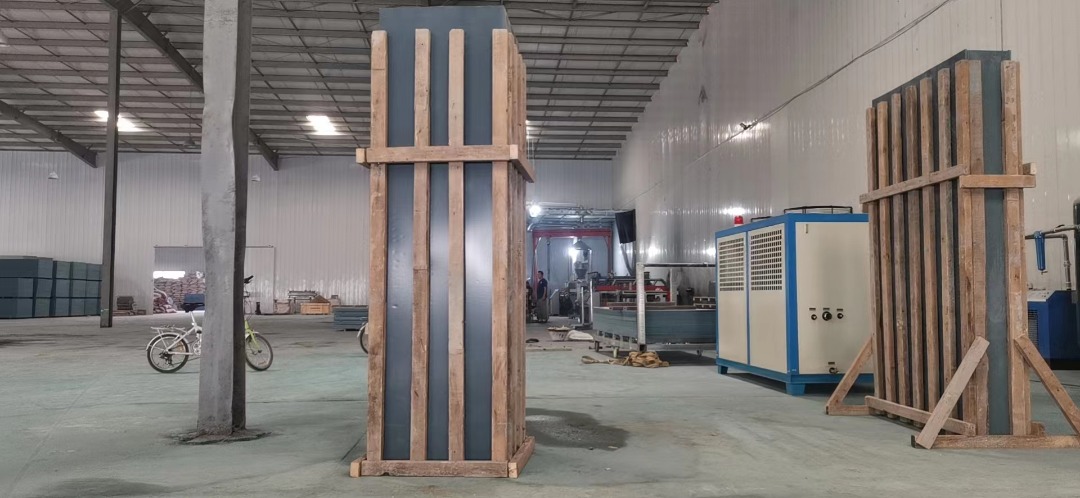
Plastic Formwork for Residential Construction
Plastic Formwork for Residential Building Projects: Key Benefits, Costs, and Installation Methods
Plastic formwork is increasingly used on residential builds. It is durable and reusable, which lowers formwork replacement costs and waste. This article explains the main benefits, typical installation methods, and how plastic formwork compares with timber and steel so you get a clear view of its role in modern projects.
Its advantages line up with current demands for efficiency and sustainability. Below we cover durability, environmental benefits, cost comparisons, and practical installation guidance for builders and contractors.
Key Benefits
Plastic formwork has clear advantages over traditional materials: reusable sheets that cut lifecycle costs, waterproof panels that hold up through 50–100+ uses, and less timber waste.
The following highlights explore the specific advantages of plastic formwork:
Cost-Effectiveness: 50–100+ uses per sheet, which can mean a saving of up to 70–80% on replacement costs.
Durability: Waterproof, so sheets don't swell or delaminate.
Less Waste: Fewer worn sheets to dispose of.
Using plastic formwork streamlines repetitive pours and cuts the number of worn sheets sent to the skip.
Installation Methods
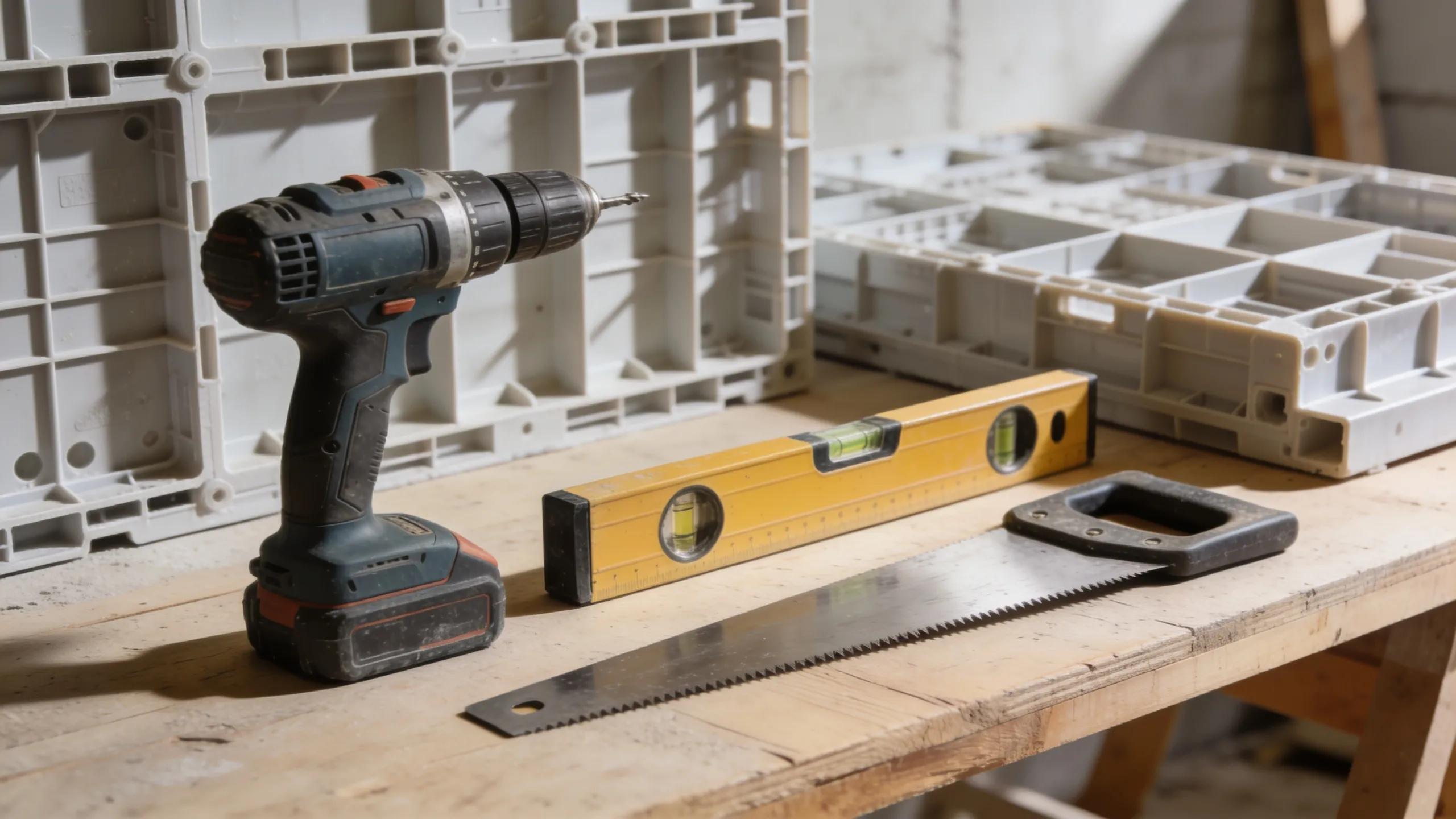
The modular panel design adapts to different layouts. Installation usually involves assembling panels and fastening them with connection systems that ensure stability and correct alignment.
Contractors should have the right tools and follow safety protocols to get the full benefit of plastic formwork.
What Tools and Safety Measures Are Needed for Plastic Formwork Installation?
Essential tools include:
Power Drill: For creating pilot holes and securing panels.
Level: To ensure correct alignment of panels.
Saw: To cut panels to fit specific measurements.
Safety Gear: Including gloves, goggles, and hard hats to ensure worker safety.
Keep the site tidy and brief crews on safety procedures to maintain efficiency and reduce incidents.
How Do You Install Plastic Formwork Panels?
Follow these steps to install plastic formwork panels:
Preparation: Clear the area of debris and ensure that the foundation is level.
Panel Assembly: Connect the panels as per the designated layouts. Ensure they are secured tightly.
Alignment: Utilise a level to check the alignment of the assembled panels.
Concrete Pouring: Once everything is in place, proceed to pour the concrete into the formwork.
Dismantling: After the concrete sets, carefully dismantle the formwork for reuse.
This sequence keeps the process smooth and helps you maximise reuse of the formwork.
Advantages Over Traditional Materials
Reuse is a major advantage: plastic formwork sheets are designed for 50–100+ uses, far longer than timber. They are waterproof, so they don't swell or rot like timber forms.
Improvements in Durability
Because plastic is waterproof, sheets need less repair and maintenance than plywood, which helps on wet residential sites.
Less Waste
Because plastic formwork is reused across projects, there is far less worn timber formwork to dispose of.
Cost Comparisons with Timber and Steel Alternatives
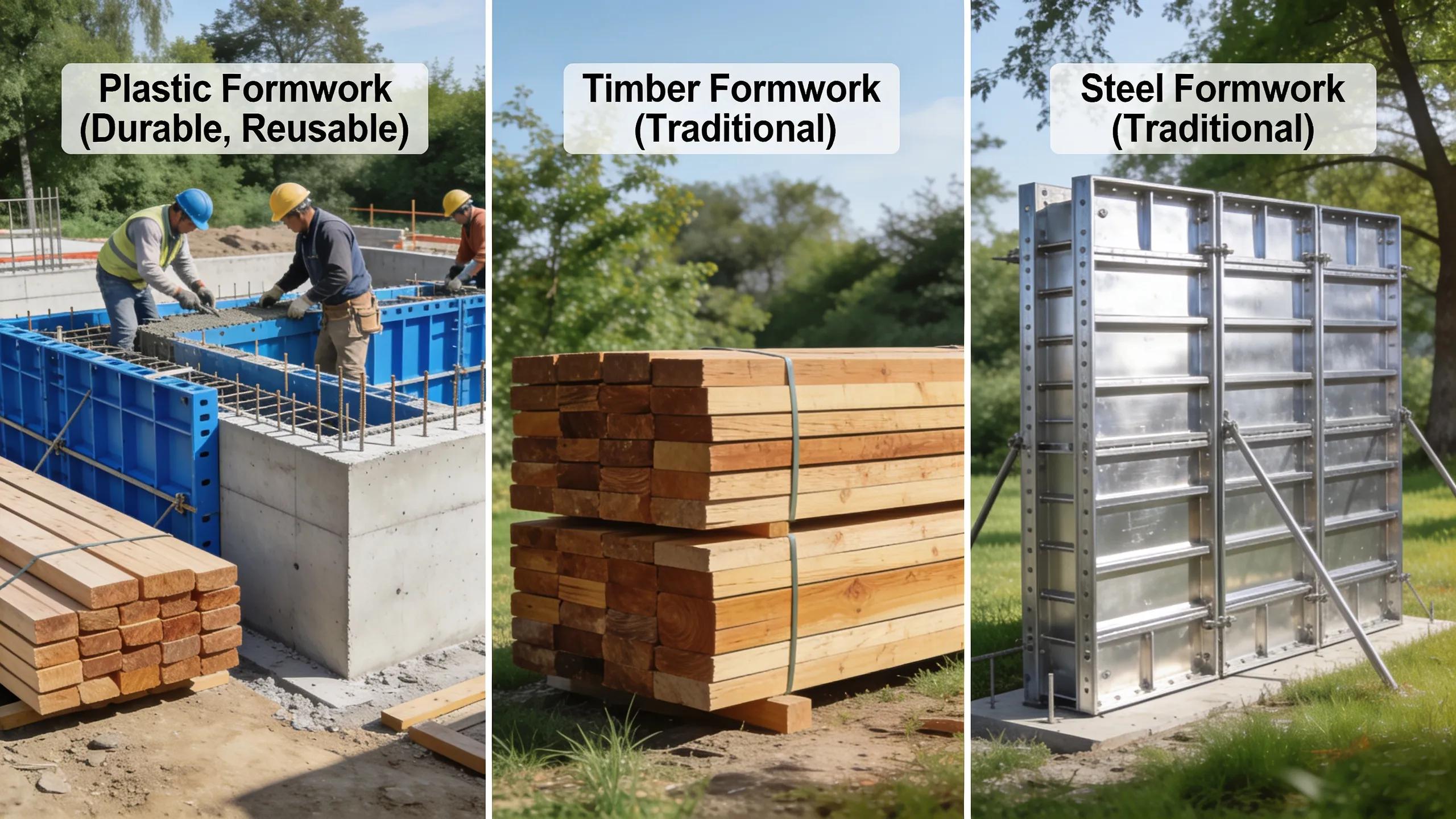
Plastic formwork usually costs more upfront, but its durability and reusability lower lifecycle costs. Plastic sheets are designed for 50–100+ uses, while plywood typically lasts 3–8, which can mean a saving of up to 70–80% on replacement costs.
Material Type | Initial Cost | Reusability | Lifecycle Cost Estimate |
|---|---|---|---|
Plastic Formwork | Higher Initial Investment | 50–100+ uses | Lowest over time |
Timber | Lower Initial Cost | 3–8 uses | Medium to High over time |
The table shows why reuse, not purchase price, decides lifetime formwork cost.
What Are the Advantages of Plastic Formwork in Residential Construction?
Plastic formwork delivers benefits that matter to residential builders:
Easy to Work: Sheets can be cut, drilled and nailed with standard site tools.
Cost Savings for Builders: The ability to reuse formwork cuts down on material costs and waste disposal fees.
Faster Construction: Modular systems facilitate quicker assembly and disassembly, speeding up the overall building process.
Plastic Formwork's sheets are made from a durable, waterproof engineered plastic.
How Does Plastic Formwork Improve Durability Compared to Traditional Materials?
Plastic resists moisture, so it avoids warping and swelling that affect timber. It also resists rot and corrosion that can compromise wood and metal forms.
Does Plastic Formwork Reduce Waste?
Because it's reusable, plastic formwork reduces material waste on site.
How Does the Cost of Plastic Formwork Compare to Timber and Steel Alternatives?
While upfront costs may be higher, the formwork’s durability and reduced waste let builders recover the investment through lower lifecycle expenses.
What Are the Best Methods for Plastic Formwork Installation in Residential Projects?
Best practices include proper site preparation, using compatible connection systems, and following manufacturer assembly and alignment guidelines to achieve reliable results.
How Do You Choose a Plastic Formwork Supplier?
Choose reputable suppliers known for product quality and strong support. Consider:
Product Variety: Availability of various forms to meet different construction needs.
Customer Service: Responsiveness and willingness to provide assistance.
Product Information: Clear sizes, thicknesses and care instructions for the sheets.
How Does Plastic Formwork Perform Over Time: Longevity and Maintenance Insights?
With proper care, plastic formwork can be reused many times. Regular cleaning and inspections keep panels in good condition for future projects.
What Maintenance Is Required to Maximise Plastic Formwork Reusability?
Follow these maintenance practices to extend the life of plastic formwork:
Regular Cleaning: Wash panels after each use to remove concrete residues.
Inspection: Regularly check panels for any signs of damage or wear.
Proper Storage: Store formwork in a dry, shaded area to protect it from UV exposure and extreme temperatures.
Frequently Asked Questions
What is the lifespan of plastic formwork compared to other materials?
Plastic formwork sheets are designed for 50–100+ uses, while plywood may last only 3–8 before degrading. Because the sheets are waterproof and don't swell, they last much longer with proper care.
Can plastic formwork be recycled after its lifecycle?
Ask your supplier about end-of-life options for the specific sheet material.
What are the safety considerations when using plastic formwork?
Safety essentials include using PPE—gloves, goggles and helmets—keeping the work area clear, training workers on correct handling and assembly, and running regular equipment checks. Following local safety regulations reduces risk on site.
What maintenance practices enhance the performance of plastic formwork?
To keep formwork performing well, clean panels after each use, inspect them for damage, and store them in dry, shaded conditions. These routines prevent premature wear and extend usable life.
How does the installation process of plastic formwork differ from traditional materials?
Plastic formwork sheets are cut, drilled and fixed much like plywood, so crews adapt quickly. Bracing must still follow the formwork design.
Conclusion
Plastic formwork gives residential builders a reliable, cost-effective option: 50–100+ uses, waterproof sheets that don't swell, and a smooth finish. Get a Quote for your next house slab, footing or wall.