
Advanced Slab Formwork Techniques for Large Projects
Planning Slab Formwork for Large Concrete Pours
Good slab formwork planning makes large concrete pours faster and more predictable. This guide covers where reusable plastic formwork sheets fit, assembly and pour steps, safety checks and the cost case.
What Are the Key Benefits of Plastic and Modular Formwork Solutions for Large Slab Construction?
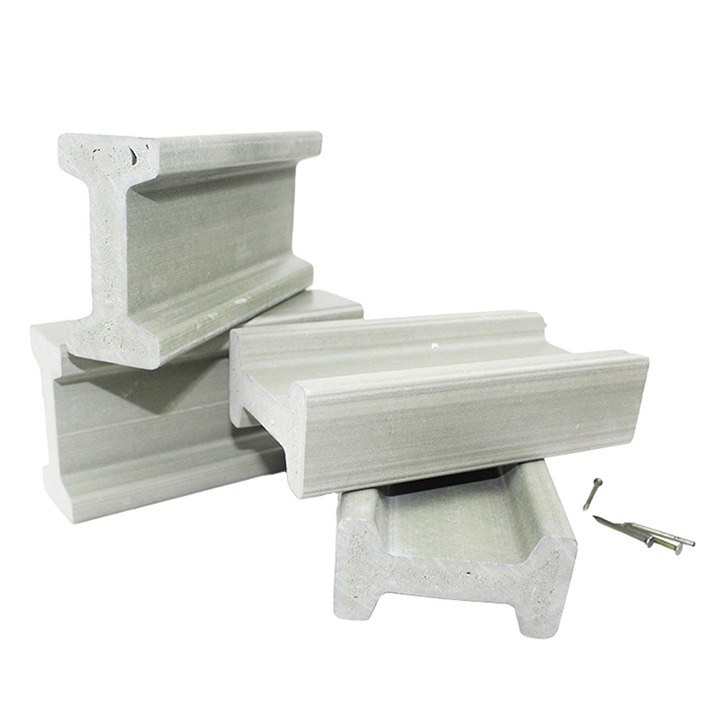
Plastic and modular formwork offer clear advantages for large slabs: lower lifecycle costs, faster assembly, and durable performance that improve site productivity.
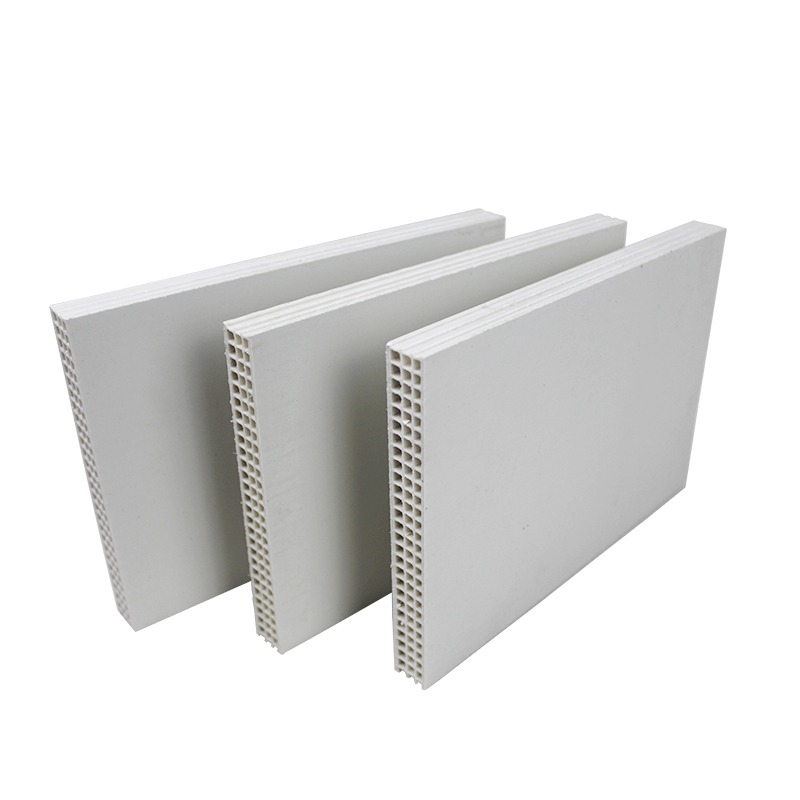
Cost Efficiency of Reusable Materials: Reusable plastic formwork can be used repeatedly, lowering material costs across the project's lifecycle.
Ease of Assembly: These systems assemble and disassemble rapidly, enabling smoother workflows and shorter schedules.
Water Resistance: Plastic sheets are waterproof and don't swell, so they hold their shape through 50–100+ uses.
How Does Reusable Plastic Formwork Enhance Durability and Ease of Handling?
Reusable plastic formwork is waterproof and doesn't swell or delaminate, and it is much lighter than steel forms.
Why Choose Modular Formwork Systems for Large-Scale Concrete Decks?
Modular systems add flexibility for custom shapes and project-specific needs, and their reusability can cut cost and time on large, repetitive decks. Already running system formwork? Our replacement formwork facing sheets replace worn plywood faces in your existing panels.
How to Assemble and Disassemble Plastic Slab Formwork for Large-Scale Projects?
Correct assembly and disassembly maximise formwork benefits. Systematic steps preserve alignment and stability to ensure reliable on‑site performance.
Step-by-Step Procedures for Rapid Slab Formwork Installation: Ensure the site is level, apply a release agent, interlock panels securely, and brace as needed to prevent shifting.
Techniques to Accelerate Large Slab Pouring Using Plastic Formwork Panels: Prepare the site to reduce alignment issues and control pour speed to protect panels from excessive pressure.
What Are the Step-by-Step Procedures for Rapid Slab Formwork Installation?
Follow these steps:
Clear and level the site.
Apply a suitable release agent to prevent adhesion.
Assemble form panels per plans and secure locking mechanisms.
Verify alignment before the concrete pour.
Which Techniques Accelerate Large Slab Pouring Using Plastic Formwork Panels?
Use these methods to speed pouring while protecting the formwork:
Pour uniformly and steadily to preserve panel integrity.
Monitor flow rate to avoid pressure build‑up that could dislodge panels.
Install temporary supports until concrete reaches required strength.
What Are Essential Safety and Quality Standards for Heavy Duty Slab Formwork?

Clear safety and quality standards protect workers and ensure heavy‑duty slab formwork performs as intended. Following industry guidance reduces site risk and improves reliability.
Safety Protocols during Assembly: Run regular checks to ensure all components are fastened and can support anticipated loads.
Design and Load Checks: In Australia, AS 3610 and Safe Work Australia's formwork guidance are the key references. Have the formwork design and load capacity checked by a competent person for each job.
Which Safety Checks Ensure Reliable Slab Formwork for Large Concrete Decks?
Carry out strict safety checks before and during the pour:
Conduct pre‑pour inspections to verify structural integrity.
Confirm props, bearers and bracing match the approved formwork design before the pour.
How Do Industry Standards Impact the Load Capacity and Reusability of Formwork?
In Australia, AS 3610 (Formwork for concrete) and Safe Work Australia guidance set out how formwork should be designed, erected, inspected and stripped. Follow the formwork designer's requirements for load capacity, and inspect sheets for damage before each reuse.
How Does the Cost Case for Plastic Formwork Stack Up?
The cost case for plastic formwork comes from reuse: every pour a sheet survives is a plywood sheet you don't have to buy.
Fewer Replacements: Plastic sheets are designed for 50–100+ uses, which can mean up to 70–80% saving on replacement costs compared with plywood.
Costs Over Time: Lower material turnover and less time spent re-plying forms add up across a long project.
What Project Savings Are Achieved Using Reusable Plastic Formwork Systems?
Savings depend on how many times you reuse each sheet. Because the sheets are waterproof and don't swell, they can be reused 50–100+ times, which is where the saving of up to 70–80% on replacement costs comes from.
Which Industry Trends Support the Adoption of Plastic Formwork in Large Projects?
Pressure to cut waste and labour on repetitive pours favours reusable systems, which send fewer worn sheets to the skip.
Frequently Asked Questions
What are the most common mistakes to avoid when using slab formwork?
Common errors are misaligned panels, skipping a release agent, and neglecting safety checks. Keep panels level and locked, follow an assembly plan, train crews, and run pre‑pour inspections to avoid leaks and delays.
How do environmental factors influence the choice of formwork materials?
Humidity, temperature and harsh weather affect performance. Plastic handles wet conditions well; steel can corrode. Choose materials suited to site conditions to prevent deformation or blowouts.
What maintenance is required for reusable formwork systems between projects?
After use, wash off concrete residue, inspect for cracks or damage, and store sheets flat, dry and out of direct sun to extend service life.
Are there specific regulations for safety in slab formwork installation?
Yes. In Australia, work health and safety laws apply, Safe Work Australia publishes guidance on formwork, and AS 3610 covers formwork design and construction. Check the requirements in your state or territory, and make sure crews are trained, inspections are done and PPE is used.
What training is recommended for teams using advanced formwork systems?
Combine classroom and hands‑on training covering material selection, assembly/disassembly, safety protocols and troubleshooting. Practical drills and updates on new methods keep teams competent.
How do cost savings from formwork compare to overall project budgets?
Formwork is a meaningful line in most concrete budgets. Reusable plastic sheets can save up to 70–80% on replacement costs compared with plywood. Compare that against your total formwork spend to judge the return.
Conclusion
Good planning, careful pours and the right formwork make large slabs faster and more predictable. Reusable plastic formwork sheets (50–100+ uses, waterproof, no swelling) cut the cost of replacing worn plywood. Get a Quote for your next slab.