
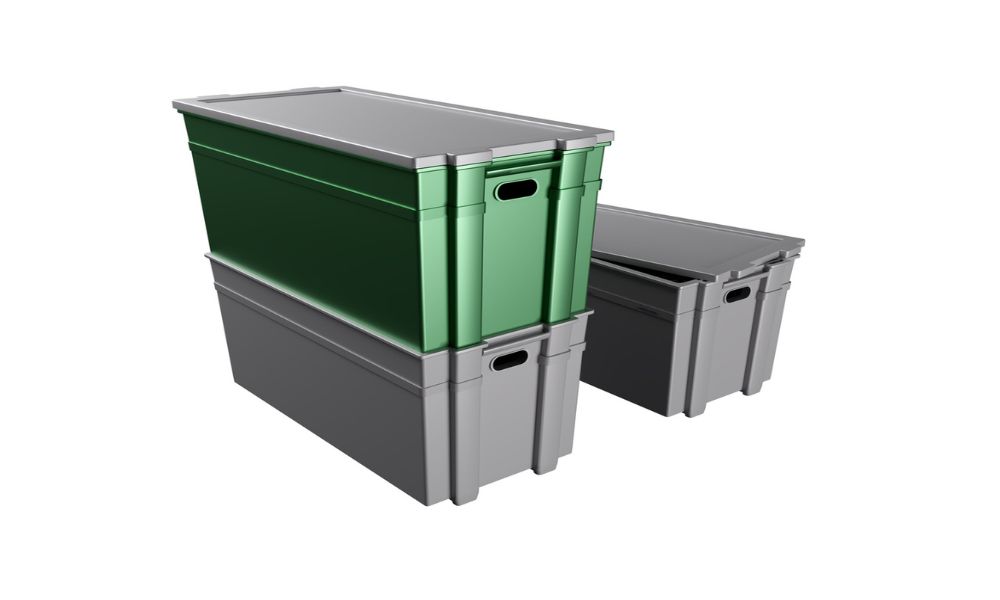
Benefits of Plastic Formwork Systems
Plastic formwork sheets can save up to 70–80% on replacement costs compared with plywood, because each sheet is designed for 50–100+ uses. They are waterproof, so they don't swell or delaminate, and they give a smooth, consistent concrete finish that can reduce patching and rendering on residential, commercial and civil projects.
Key Takeaways
Plastic formwork sheets give a smooth, consistent concrete finish with tight joints.
Plastic sheets are waterproof and don't swell, so they last far longer than plywood: 50–100+ uses.
Reusing the same sheets means fewer worn plywood sheets in the skip and lower replacement costs.
Less time spent replacing and re-cutting worn sheets keeps pour cycles moving.
Why switch to plastic formwork systems?
Plywood formwork forces builders into a cycle of constant replacement and rising material costs. Plastic formwork systems break that cycle entirely. A single plastic sheet delivers 50–100+ reuses, while standard plywood fails after only 3–8 uses. That durability gap translates directly into project budgets.
The benefits of plastic formwork systems go beyond longevity. Switching from plywood to reusable plastic sheets can save up to 70–80% on replacement costs. The savings build up across a project: fewer purchases, fewer deliveries and less waste to dispose of.
How does the concrete finish compare?
Plastic formwork gives a smoother, more consistent concrete surface than worn plywood. The sheets are waterproof, so they don't swell or delaminate after contact with wet concrete, and there is no timber grain to transfer to the face. That can reduce patching and rendering on many surfaces.
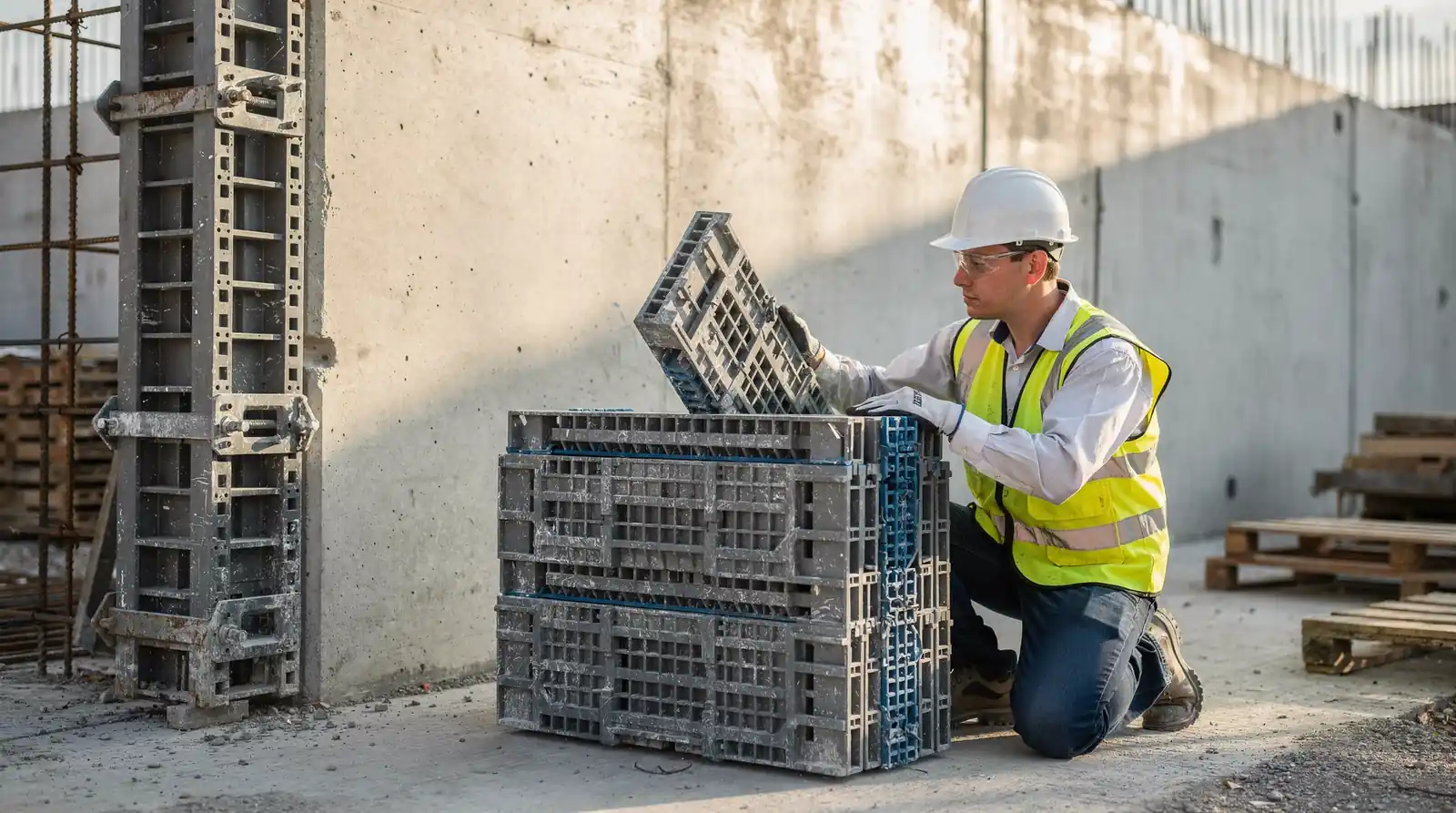
What are the top benefits of plastic formwork systems?
Plastic formwork sheets have four practical advantages over plywood: they are easy to cut and fix, they give a smooth finish, they release cleanly, and they are waterproof. Together these mean fewer replacements and less rework on Australian sites.
How does plastic formwork improve installation speed?
Plastic formwork sheets can be cut, drilled and nailed with standard site tools, so crews can work them much like plywood. Unlike plywood, they don't degrade after a few wet pours.
What concrete finish does plastic formwork produce?
The formwork surface is flat and smooth. Sheets butt together tightly, giving a clean, consistent concrete face that can reduce patching and rendering.
Does plastic formwork require release agents?
Concrete releases cleanly from the plastic surface, so stripping is straightforward and sheets usually just need a wash between pours. Follow your concrete and formwork specification on release agents.
How durable is plastic formwork on site?
Plastic formwork is waterproof, so it keeps its shape across repeated uses. It doesn't swell or rot like timber, or rust like steel, making it a durable long-term investment for contractors running multiple projects.
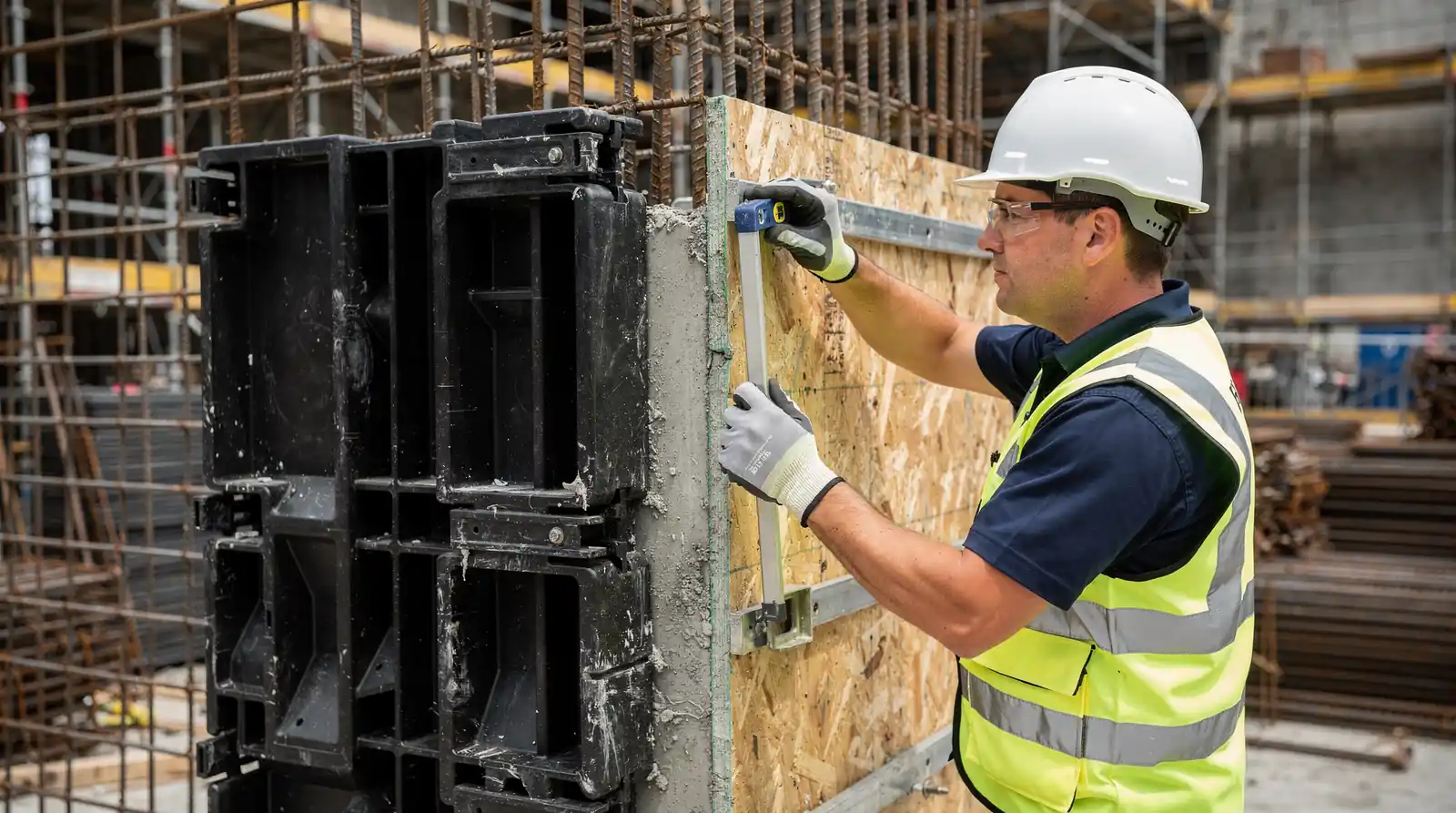
How does plastic formwork compare to plywood?
Plastic formwork sheets are designed for 50–100+ uses, while standard plywood often manages only 3–8 before it needs replacing. That gap shows up directly in project cost and in how much worn formwork ends up in the skip.
What causes plywood formwork to fail faster?
Plastic formwork is waterproof and doesn't swell, so it keeps its shape through repeated pours.
How does replacement frequency affect total project cost?
Plywood needs frequent replacement, often every 3–8 uses. Plastic sheets are designed for 50–100+ uses, so you replace far fewer over a project.
Builders on residential, commercial and civil projects choose plastic formwork to cut the recurring cost and labour of plywood replacement. The benefits become most visible on the second project, when the same sheets come out of storage ready for another pour. If you run system formwork, our replacement formwork facing sheets replace worn plywood faces in your existing panels.
FAQ
How much can plastic formwork save on material costs?
Plastic formwork can save up to 70–80% on replacement costs compared with plywood. Sheets are designed for 50–100+ uses versus plywood's 3–8.
Does plastic formwork improve the concrete surface finish?
Yes. Plastic formwork gives a smooth, flat concrete surface with tight joints and no timber grain, which can reduce patching and rendering.
Is plastic formwork easy to install?
Plastic formwork sheets can be cut, drilled and nailed with standard site tools, so crews can install them much like plywood. They are much lighter than steel forms.
Conclusion
Plastic formwork sheets give builders 50–100+ uses, a waterproof surface that doesn't swell and a smooth finish, with up to 70–80% saving on replacement costs compared with plywood. Get a Quote to price sheets for your next project.