
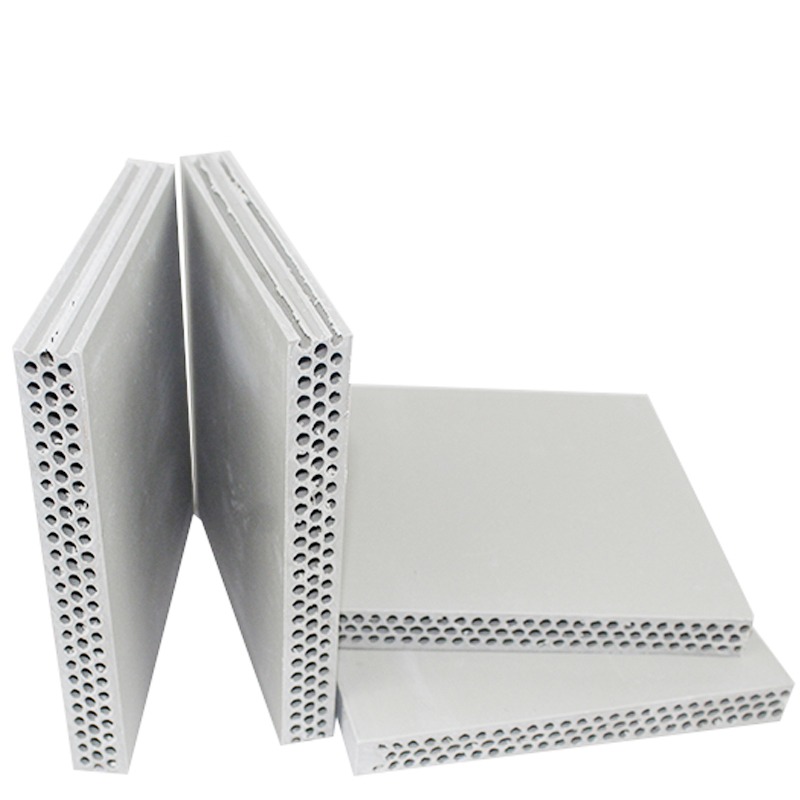
Commercial Formwork: Plastic Solutions for Construction
Commercial builds gain durability and cost control from reusable plastic formwork sheets designed for 50–100+ uses on offices, retail, multi-residential and industrial projects. They can save up to 70–80% on replacement costs compared with plywood, give a smooth concrete finish, are waterproof and reduce site waste on repetitive pour schedules.
Key Takeaways
Plywood facing often needs replacing after 3–8 uses; plastic sheets are designed for 50–100+.
Fewer replacements mean lower formwork costs and less disruption on repetitive pours.
Plastic sheets are waterproof and don't swell, so they keep their shape pour after pour.
Reusing the same sheets sends less worn formwork to the skip.
Why Is Plywood Failing Your Commercial Job Site?
Plywood breaks down fast under the repeated stress of commercial formwork cycles. Most plywood sheets last only 3 to 8 uses before delamination, swelling, or warping forces a replacement. General contractors managing office building forms across multiple floors absorb that cost repeatedly, on every pour, on every level.
Water exposure accelerates the damage. Concrete curing releases moisture that plywood absorbs, softening edges and ruining surface finish within a handful of pours.
How many uses does plastic formwork actually get compared to plywood?
Plastic formwork sheets reach 50 to 100+ uses per sheet, a dramatic jump from plywood's 3-to-8-use lifespan. That reuse rate matters most on large scale formwork projects. Dozens of pours happen back-to-back and downtime for replacement panels stalls schedules.
MaterialTypical LifespanWater ResistancePlywood3–8 usesAbsorbs moisture, warpsPlastic50–100+ uses100% waterproof
Does switching to plastic formwork actually save money?
Project teams can save up to 70–80% on replacement costs by switching from plywood to reusable plastic sheets. Fewer replacements mean fewer reorders, less waste hauling and tighter budget control across multi-building commercial builds.

What Makes Plastic Formwork Fit Office Builds?
Plastic formwork suits office projects because of its durability and finish quality. The sheets can be cut, drilled and nailed with standard tools, and they are much lighter than steel forms.
Durability also separates plastic from plywood. The sheets are waterproof and don't swell, so they hold up across the long schedules common on commercial builds.
Does plastic formwork produce a good finish on exposed facades?
Yes. Plastic sheets release cleanly from cured concrete, leaving a smooth surface. That smooth finish reduces patch-and-repair labour, which matters on office exteriors where exposed concrete stays visible.
Can plastic formwork handle large-scale commercial jobs?
Plastic formwork sheets are used on larger jobs, not just small residential pours. Key advantages for large jobs include:
Sheets that are cut and fixed like plywood
Waterproof sheets that don't swell over extended schedules
Smooth release that cuts finishing labour
50–100+ uses per sheet
These combined properties make plastic formwork a practical fit for office construction at scale.

How Does Plastic Formwork Scale Across Large Projects?
Plastic formwork scales by repeating the same reusable sheets across residential, commercial and civil work without changing the core method. Project managers on mid-to-large builds get one product that suits many element types.
Reusability drives the scaling advantage. Sheets that survive repeated pours cut long-term replacement costs and shrink the waste stream.
Does plastic formwork work for office building forms specifically?
Office builds benefit from formwork that gives a clean surface finish without frequent re-plying. That matters on multi-storey commercial jobs, where crew hours and finish quality both affect the schedule and the budget.
What makes plastic formwork suitable for large scale formwork needs?
Large scale formwork projects need consistency across many repeated pours, and plastic panels are built for that repetition. Contractors managing retail centres, multi-family buildings, or industrial sites can apply the same panels across phases instead of sourcing new material for each stage.
Advantages that support larger builds include:
Suitable for residential, commercial and civil work
Lower long-term costs through repeated reuse
Reduced labour needs with a strong surface finish
By choosing reusable plastic sheets over plywood, commercial project managers cut replacement costs and waste on repetitive pours. Already running system formwork? See our replacement formwork facing sheets, cut to suit your panels. Or Get a Quote for your next commercial project.
FAQ
How many uses does plastic formwork actually get compared to plywood?
Plastic formwork sheets reach 50 to 100+ uses per sheet. Plywood lasts only 3 to 8 uses before delamination, swelling, or warping forces replacement.
Does switching to plastic formwork actually save money?
Teams can save up to 70–80% on replacement costs when they switch from plywood to reusable plastic sheets, with fewer reorders and less waste hauling on commercial builds.
Does plastic formwork give a good finish on exposed concrete?
Yes. Plastic sheets release cleanly from cured concrete, leaving a smooth surface that reduces patch-and-repair labour, which matters where exposed concrete stays visible.