
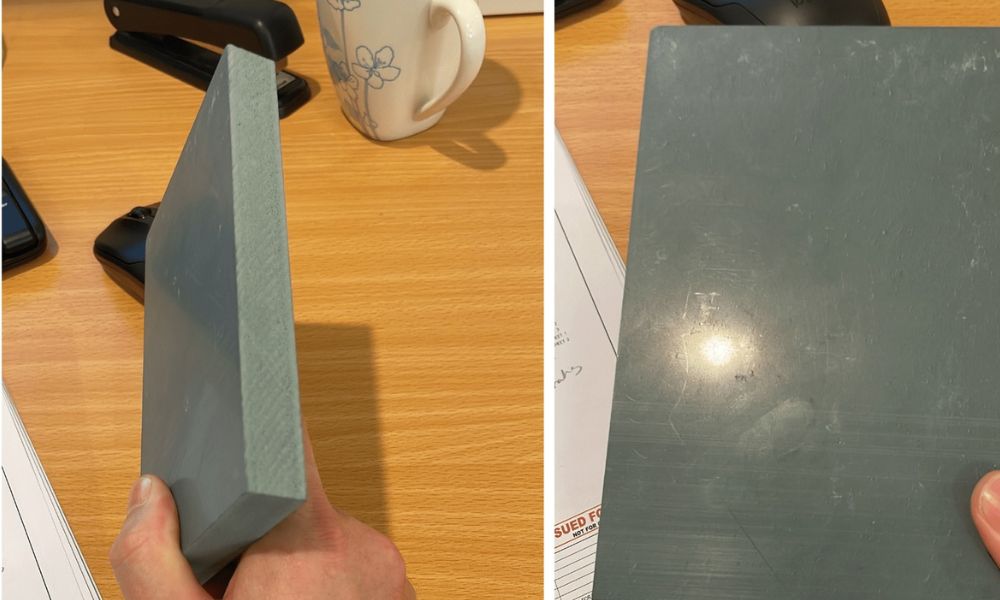
Plastic Formwork Trends: What They Mean for Australian Builders
Plastic formwork has been used overseas for years and is now turning up on more Australian sites. Here's what's driving the interest, and what to check before you switch.
What's driving the interest
Replacement costs. Plywood often lasts 3–8 uses. Plastic sheets are designed for 50–100+, which can mean a saving of up to 70–80% on replacement costs.
Wet sites. Plastic sheets are waterproof and don't swell, so rain and wash-down don't shorten their life.
Labour. Less time cutting and fixing replacement sheets frees crews for other work.
Waste. Builders and clients track more closely what goes into the skip, and reusable formwork reduces it.
Finish. A smooth, consistent face can reduce patching and rendering on exposed concrete.
How builders are using it
Facing on conventional formwork. Sheets go on slab, wall and footing formwork in place of formply.
Replacement facing in system panels. Worn plywood in existing system formwork is swapped for plastic. See our replacement formwork facing sheets.
Repetitive elements. Identical footings, pits, columns or planters are where reuse counts climb fastest.
What to check before switching
Support spacing. Plastic sheets don't behave exactly like formply, so have joist and bearer spacing set by the formwork design for the sheet you're using.
Standards and safety. In Australia, AS 3610 and Safe Work Australia's formwork guidance are the key references, alongside your state or territory WHS regulations.
Sizes and thickness. Make sure sheet sizes suit your modules, to limit cutting.
Care. Washing, inspection, and flat, dry storage out of direct sun all help sheets reach their full reuse count.
The bottom line
The case for plastic formwork comes down to reuse. If you pour the same kinds of elements again and again, sheets that last 50–100+ uses and don't swell can cut both cost and waste.
Get a Quote to price sheets for your next project.