
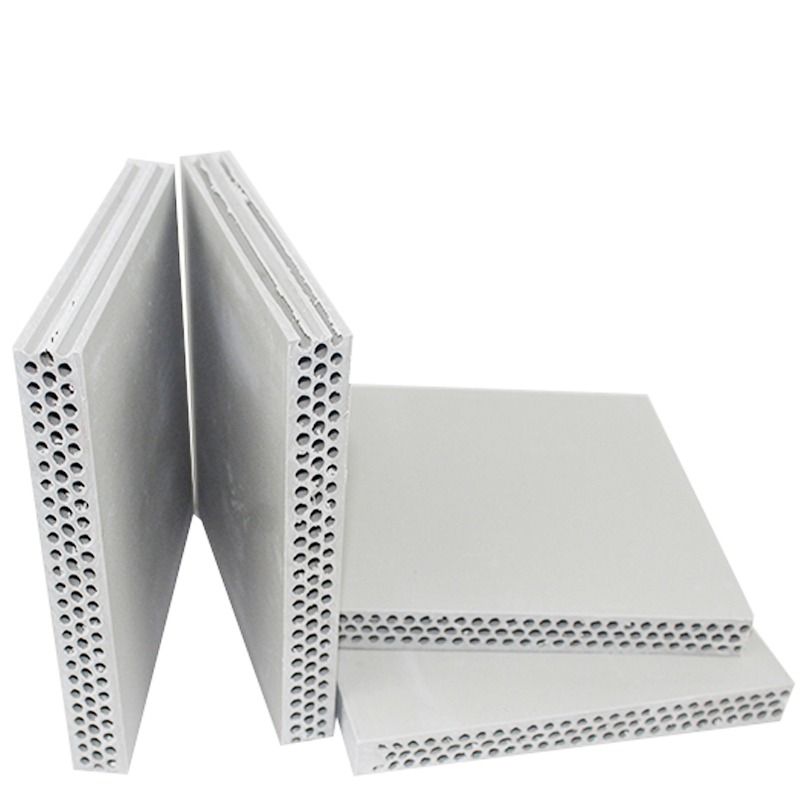
Infrastructure Formwork: Plastic Benefits and Cost Analysis
By Alastair Carey, Plastic Formwork · Updated 27 July 2026
Plastic formwork can cut infrastructure formwork costs by reducing replacements. Sheets are designed for 50–100+ uses versus plywood's 3–8. A higher upfront price is offset by durability and simple maintenance, giving a lower total cost per pour on road, bridge and drainage work.
Infrastructure formwork decisions should rest on total cost per pour, not just sheet price. Plastic formwork sheets are designed for 50–100+ uses, can save up to 70–80% on replacement costs and are waterproof, unlike plywood, which needs frequent replacement, or steel, which costs more upfront. For culverts, headwalls and retaining walls, plastic sheets give a smooth finish with less waste.
Key Takeaways
Plywood typically lasts 3–8 pours; plastic sheets are designed for 50–100+.
Plastic formwork costs more initially but delivers superior durability and reusability compared to wood alternatives.
Plastic formwork needs only simple cleaning and inspection between pours.
Fewer replacements mean less time re-plying forms on long civil programmes.
What Does Plywood Really Cost Infrastructure Jobs?
Plywood forms fail fast on bridge decks, culverts, and retaining walls. Most sheets survive only 3 to 8 pours before warping or delaminating, forcing crews to reorder stock mid-schedule. That cycle drives up material spend on any large-scale infrastructure formwork program.
A low sticker price hides the real bill. Plywood costs less upfront, but frequent replacement, added maintenance and disposal fees stack up across a project.
How much can plastic formwork actually save on a bridge or road project?
Reusable plastic sheets can save up to 70–80% on replacement costs compared with plywood. On civil formwork used across dozens of pours, that gap compounds fast.
MaterialTypical ReusesCost TrendPlywood3–8Rises with replacementsPlastic50–100+Drops per pour over time
Why does reuse count matter more than unit price?
Procurement teams comparing quotes often focus on per-sheet cost alone. Total project cost depends on how many pours a sheet survives, not its purchase price.
Can Plastic Formwork Handle Civil and Road Work?

Plastic formwork sheets are used on civil work as well as residential and commercial projects. Culverts, headwalls, pits and retaining walls are typical applications, subject to the formwork design for each element. Moisture is a constant issue on water infrastructure, and the sheets are waterproof, so standing water and repeated wet pours don't make them swell.
Finish quality separates plastic from plywood on visible structural surfaces. Plywood leaves a rough surface prone to rework; plastic sheets produce a smooth face straight off the pour. That matters on exposed civil surfaces, where surface consistency affects both inspection outcomes and finishing labour.
Dimensional stability plays an equally important role on repetitive linear pours.
Does Plastic Formwork Warp Like Plywood?
No. Plywood warps under repeated moisture cycles, throwing off alignment on successive pours. Plastic sheets are waterproof and don't swell, so they hold their shape across culvert runs and road sections.
Why Does Reuse Matter For Road Work?
On road and kerb work poured in long, repeated sections, reusable plastic sheets help with:
Fewer formwork replacements per run
Lower long-term costs through reuse
Less waste generated per project

What Does The Full Cost Comparison Reveal?
Total cost, not sticker price, separates plastic, plywood and steel formwork on infrastructure projects. Plywood looks cheapest at purchase but fails fast. Plastic sheets cost more upfront yet return that difference through 50–100+ uses and low maintenance. Steel sits at the other extreme, with the highest purchase price of the three.
MaterialUpfront CostReuse CyclesDisposalPlywoodLowest3–8Frequent replacement adds costPlasticModerate-high50–100+Fewer replacements, less wasteSteelHighestMultiple, large-scaleScrap value offsets disposal
That reuse gap, roughly 3–8 uses for plywood versus 50–100+ for plastic sheets, matters most on culverts, headwalls and retaining walls, where crews pour the same shapes repeatedly. Steel earns its price on large, multi-year builds; plastic suits mid-size civil and council jobs, including kerb and road work. If you already run steel or aluminium system formwork, our replacement formwork facing sheets can replace worn plywood faces.
Which formwork material lasts longest per dollar spent?
Plastic sheets give a strong reuse-to-cost ratio on many civil projects, with 50–100+ uses before replacement. Steel lasts longer in absolute terms but needs a larger capital outlay, best justified by continuous, large-scale use. Plastic Formwork supplies reusable engineered-plastic formwork sheets to civil and infrastructure buyers weighing this trade-off. Get a Quote.
FAQ
How much does plastic formwork save compared to plywood?
Plastic formwork can save up to 70–80% on replacement costs compared with plywood. Reuse of 50–100+ pours versus plywood's 3–8 drives the saving over a project.
Does plastic formwork suit culverts and retaining walls?
Yes, subject to the formwork design for each element. The sheets are waterproof and don't swell with standing water or the repeated wet pours common on infrastructure sites.
Why does plastic formwork produce better finishes than plywood?
Plastic sheets produce a smooth face straight off the pour, while worn plywood leaves a rough surface prone to rework. This matters most on exposed civil surfaces, where surface consistency affects inspection outcomes.