
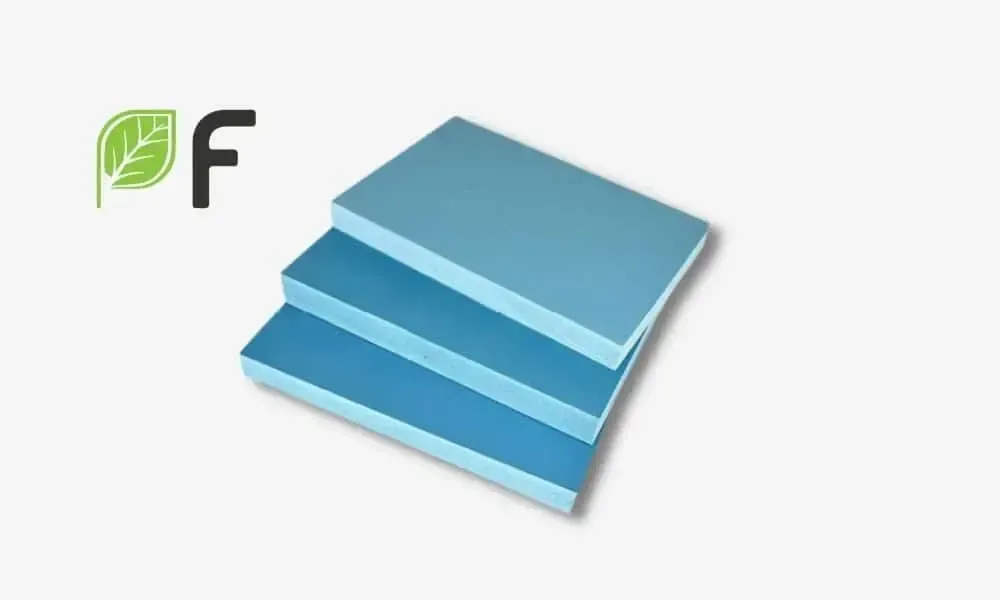
Reusable Plastic Formwork: A Practical Guide
In the fast-paced world of construction, efficiency, cost-effectiveness, and sustainability are top priorities. While traditional methods may have been the norm for years, the industry is embracing innovative solutions that meet modern challenges. One practical option is reusable plastic formwork, which cuts the cost and waste of replacing plywood formwork every few pours.
This ultimate guide will walk you through everything you need to know about reusable plastic formwork, from its benefits and applications to how it can significantly transform your construction projects.
What Is Reusable Plastic Formwork?
Reusable plastic formwork is made from a durable engineered plastic and, like any formwork, must be designed and supported for the pressure of the concrete. Unlike plywood, plastic formwork is waterproof and, most importantly, reusable 50–100+ times across multiple projects.
Its modular nature allows it to be easily assembled, adjusted, and dismantled, making it an ideal solution for projects that require flexibility and efficiency. Reusable plastic formwork is most commonly used in casting concrete walls, slabs, columns, and foundations, and is gaining popularity due to its environmental benefits and cost-saving potential.
The Key Benefits of Reusable Plastic Formwork
Choosing reusable plastic formwork for your construction projects can provide a wide range of advantages, including:
Cost-Effectiveness
While the initial cost of reusable plastic formwork may be higher than traditional options, its long-term financial benefits are significant. Since plastic formwork can be reused for multiple projects, the overall cost per use decreases. Timber and plywood formwork often need replacing after a few uses due to wear and tear, while plastic formwork sheets are designed for 50–100+ uses.
This reusability can save up to 70–80% on replacement costs compared with plywood. For construction firms looking to optimise budgets, plastic formwork is a strategic investment that pays off in the long run.
Durability
Plastic formwork is waterproof, so it doesn't swell, delaminate or rot like timber, or rust like steel. It keeps its shape through repeated wet pours.
This durability ensures that your formwork remains in excellent condition for multiple uses, reducing the need for constant repairs or replacements. This makes it especially valuable on long projects and wet sites.
Easy to Handle and Work
Plastic formwork is much lighter than steel forms, and sheets can be cut, drilled and nailed with standard site tools.
For construction teams looking to boost efficiency, the ease of handling reusable plastic formwork can significantly reduce project downtime and streamline construction processes.
Less Waste
Because each sheet can be used 50–100+ times, plastic formwork means far fewer worn plywood sheets going to the skip.
Faster Assembly and Dismantling
The modular design of plastic formwork allows for quick and easy assembly and dismantling, helping construction teams save valuable time. The formwork can be adjusted to suit different project dimensions, making it versatile and adaptable to various construction needs. This faster turnaround time not only increases productivity but also reduces labour costs.
For projects where time is a critical factor, reusable plastic formwork is an ideal solution that can accelerate your construction process while maintaining high-quality results.
High-Quality Concrete Finish
Plastic formwork provides a smooth, even surface that results in high-quality concrete finishes with minimal imperfections. This reduces the need for additional finishing work, such as plastering or surface corrections, further cutting down on labour and material costs.
Applications of Reusable Plastic Formwork
Reusable plastic formwork is incredibly versatile and can be used in a variety of construction projects. Here are some of its most common applications:
Walls and Columns
Plastic formwork suits concrete walls and columns on both residential and commercial projects. Sheets can be cut to suit different wall and column dimensions.
Slabs and Foundations
The sheets can also be used for slabs and footings, with supports spaced to suit the formwork design. Additionally, plastic formwork’s smooth surface ensures an even, high-quality finish on these critical structural components.
Civil Works
On civil work such as culverts, pits and retaining walls, plastic formwork's resistance to moisture makes it a practical choice for repeated wet pours.
Housing Developments
In housing developments where speed and efficiency are key, plastic formwork helps streamline the construction of concrete walls, floors, and structural components. It allows for quick setup and reuse, ensuring that multiple units can be completed within shorter timeframes without sacrificing quality.
Why Reusable Plastic Formwork is the Future of Construction
The construction industry is rapidly evolving, and innovation is key to staying competitive. Reusable plastic formwork is at the forefront of this change, offering contractors, developers, and builders a solution that meets the growing demands for efficiency, sustainability, and cost savings.
Plastic formwork's ability to reduce waste and reliance on single-use plywood makes it a smart choice for forward-thinking builders.
Moreover, efficiency and cost-effectiveness are critical in an industry where delays and budget overruns can make or break a project. By investing in reusable plastic formwork, you can reduce overall project costs, speed up completion times, and deliver high-quality results with less effort.
How to Get Started with Reusable Plastic Formwork
Ready to try reusable plastic formwork? Plastic Formwork supplies reusable plastic formwork sheets for residential, commercial and civil projects. If you run system formwork, our replacement formwork facing sheets replace worn plywood faces in your existing panels.
Get a Quote
Want to learn more about how reusable plastic formwork can work for your next project?
Get a Quote and tell us about your project.