
Plastic Formwork for Slabs & Floors: Best Practices
Plastic formwork offers a durable, waterproof and reusable alternative to plywood. These systems are designed to create the necessary moulds for concrete slabs and floors, ensuring precision and efficiency in construction projects. In this article, we will explore the best practices for using plastic formwork, including installation techniques, maintenance, and the advantages of these systems over traditional materials. By understanding these practices, construction professionals can enhance their project outcomes while also addressing common challenges such as waste reduction and cost efficiency.
The following sections will cover the key components of plastic slab formwork systems, installation best practices, advantages over traditional materials, maintenance tips, safety standards, and the latest innovations in the field. This comprehensive guide aims to equip readers with the knowledge needed to effectively implement plastic formwork in their construction projects.
What Are Plastic Slab Formwork Systems and Their Key Components?
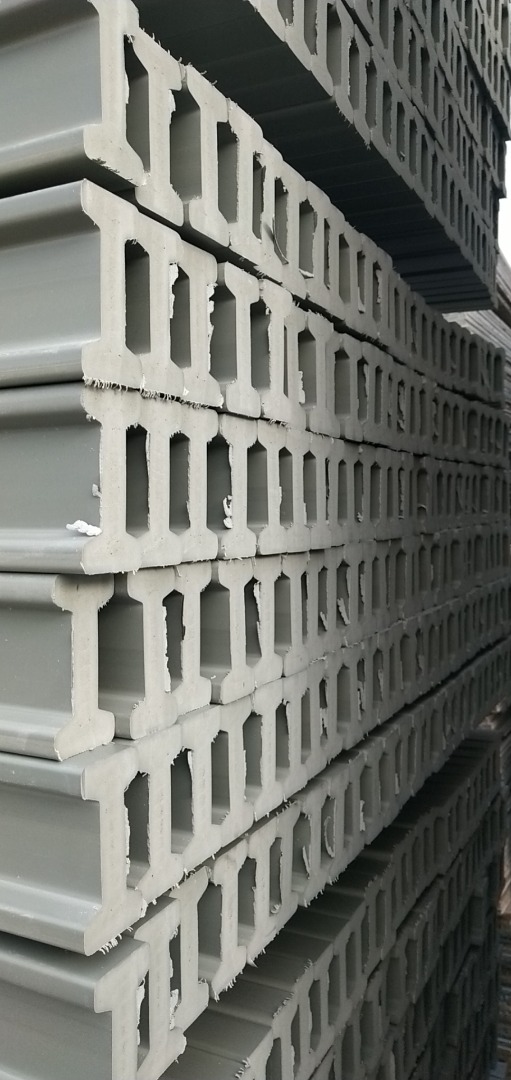
Plastic slab formwork systems are modular construction solutions designed to shape and support concrete during the curing process. Systems range from plastic facing sheets used on conventional props and bearers to fully modular panels with connectors. The main benefit is reuse: sheets are designed for 50–100+ uses, which cuts replacement costs.
How Do Modular Concrete Floor Forms Enhance Construction Efficiency?
Modular concrete floor forms significantly enhance construction efficiency by allowing for quick assembly and disassembly. The modular design enables workers to easily adapt the formwork to different project specifications, reducing the time spent on setup. The ability to reuse these forms multiple times further contributes to overall cost efficiency in construction projects.
What Are Plastic Formwork Sheets Made Of?
Plastic formwork products use a range of polymers. Plastic Formwork's sheets are a waterproof engineered plastic designed for 50–100+ uses. Support spacing (joists and bearers) must suit the sheet and be set by the formwork designer, so don't assume plywood spacings.
How to Install Plastic Formwork for Slabs and Floors: Step-by-Step Best Practices
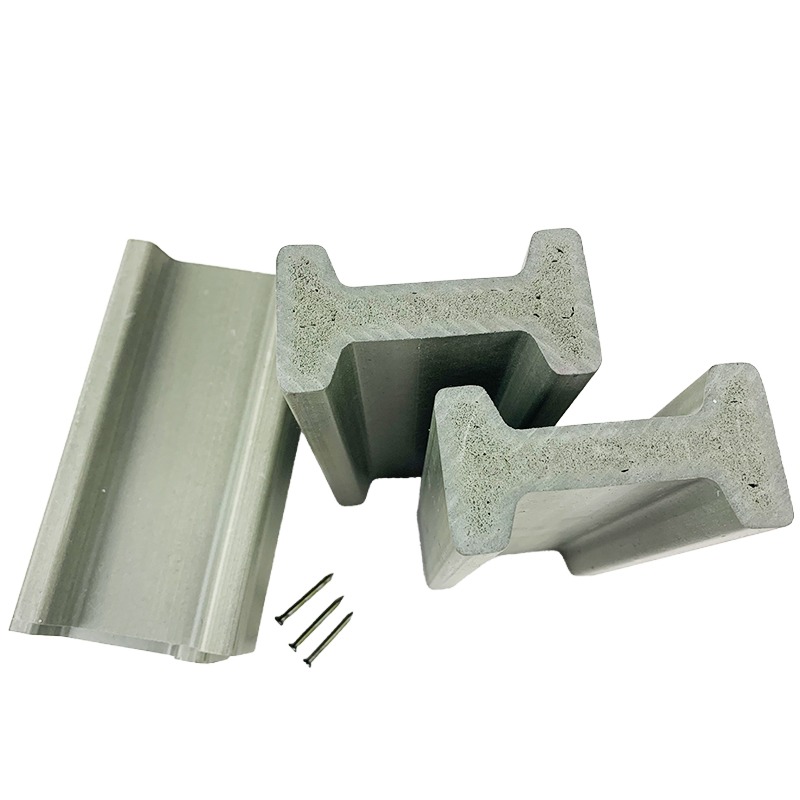
Installing plastic formwork requires careful planning and execution to ensure optimal results. The process begins with site preparation, where the ground is leveled and any necessary reinforcements are put in place. Following this, the modular panels are assembled according to the project specifications, ensuring that all connections are secure and properly aligned.
What Are the Essential Horizontal Slab Formwork Techniques?
Essential techniques for horizontal slab formwork include ensuring proper alignment of the panels and using adequate bracing to prevent movement during the concrete pour. It is crucial to check that the formwork is level and stable, as any discrepancies can lead to uneven surfaces in the finished slab. Additionally, using vibration techniques during the concrete pour can help eliminate air pockets and ensure a smooth finish.
How to Ensure Proper Formwork Stripping and Curing Processes?
Proper formwork stripping and curing processes are vital for achieving high-quality concrete slabs. Stripping should occur at the appropriate time, typically after the concrete has gained sufficient strength, which can vary based on environmental conditions. Curing should follow the project specification (AS 3600 and the engineer's requirements set the minimum curing period). Covering the concrete with wet hessian or plastic sheeting, or using a curing compound, helps keep the moisture in.
What Are the Advantages of Plastic Formwork Compared to Traditional Materials?
Plastic formwork offers several advantages over traditional materials such as wood and metal. One of the most significant benefits is its durability; plastic forms are resistant to moisture, rot, and corrosion, which can compromise the integrity of traditional formwork. Plastic sheets are also waterproof, so they don't swell or delaminate like plywood.
Advantage | Plastic Formwork | Traditional Materials |
|---|---|---|
Durability | High resistance to moisture and corrosion | Prone to rot and rust |
Reusability | 50–100+ uses | Limited reuse potential |
Cost Efficiency | Lower overall costs due to reusability | Higher costs over time |
Using plastic formwork also reduces waste and the need for replacement materials.
How Does Plastic Formwork Improve Durability and Modularity?
Plastic formwork systems are designed to withstand the rigors of construction while maintaining their structural integrity. The sheets are waterproof, so they stay serviceable over many uses. Furthermore, the modular design allows for easy customisation, enabling construction teams to adapt the formwork to various project requirements without compromising on quality.
Does Plastic Formwork Reduce Waste?
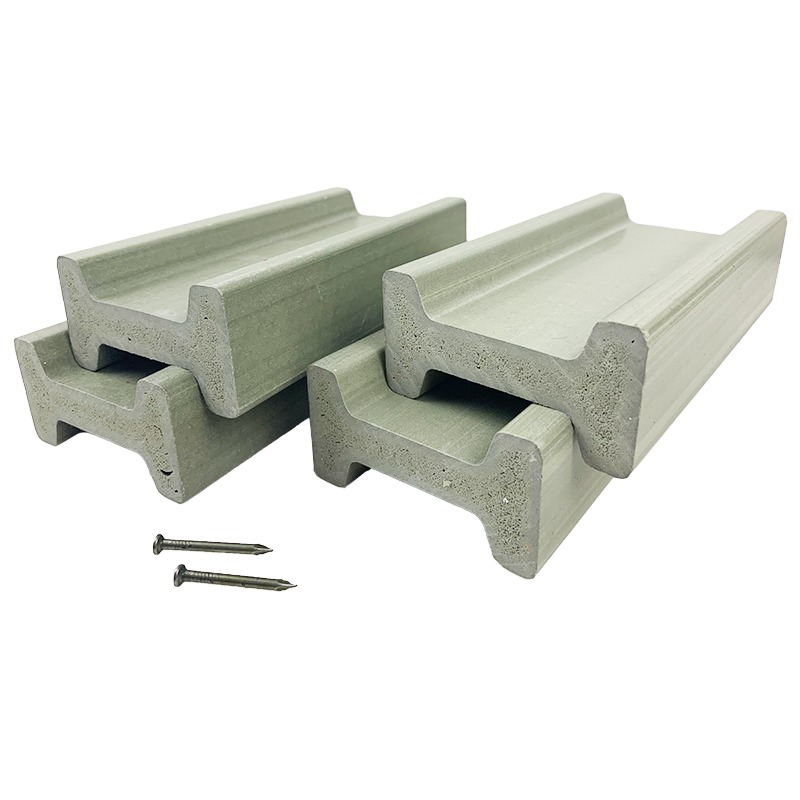
Reusing the same sheets 50–100+ times means far fewer worn plywood sheets going to the skip.
How to Maintain and Reuse Plastic Slab Formwork for Maximum Longevity?
To maximise the longevity of plastic slab formwork, proper maintenance and storage practices are essential. After each use, the formwork should be thoroughly cleaned to remove any concrete residue, which can affect its performance in future projects. Storing the panels in a dry, cool environment will also help prevent damage and extend their lifespan.
What Are the Best Practices for Cleaning and Storage of Modular Panels?
Best practices for cleaning modular panels include using non-abrasive cleaners and soft brushes to avoid scratching the surface. After cleaning, the panels should be dried completely before storage to prevent mould and mildew growth. When storing, it is advisable to stack the panels in a way that minimises pressure on any single panel, ensuring that they remain in good condition for future use.
How Many Reuse Cycles Can Plastic Formwork Sustain?
Plastic formwork sheets are designed for 50–100+ uses, depending on care and application. That can mean a saving of up to 70–80% on replacement costs compared with plywood, and less waste.
What Safety and Compliance Standards Apply to Plastic Formwork Systems?
Safety and compliance standards for plastic formwork systems are critical to ensuring the safety of construction workers and the integrity of the structures being built. These standards often include guidelines for load-bearing capacities, installation procedures, and material specifications.
Which Regulatory Guidelines Ensure Safe Installation and Use?
In Australia, AS 3610 (Formwork for concrete) and Safe Work Australia's formwork guidance are the key references, alongside your state or territory WHS regulations. Have the formwork design, including support spacing for the sheets, checked by a competent person.
How to Implement Safety Protocols During Slab Formwork Assembly?
Implementing safety protocols during slab formwork assembly involves training workers on proper handling techniques and ensuring that all safety equipment is used. Regular safety audits should be conducted to identify potential hazards and ensure compliance with safety standards. Additionally, clear communication among team members is essential to maintain a safe working environment.
What Are the Latest Innovations in Plastic Formwork Materials and Technologies?
Plastic formwork products continue to develop.
What Future Trends Will Shape Plastic Formwork for Slabs and Floors?
Expect continued improvement in sheet manufacturing, and more contractors using plastic facing on conventional slab formwork.
Conclusion
Plastic slab formwork works best on a proper formwork design, stripped at the right time, and cleaned and stored well. Do that and each sheet can give 50–100+ uses. Running system slab formwork? Our replacement formwork facing sheets replace worn plywood faces. Or Get a Quote for your next slab.