
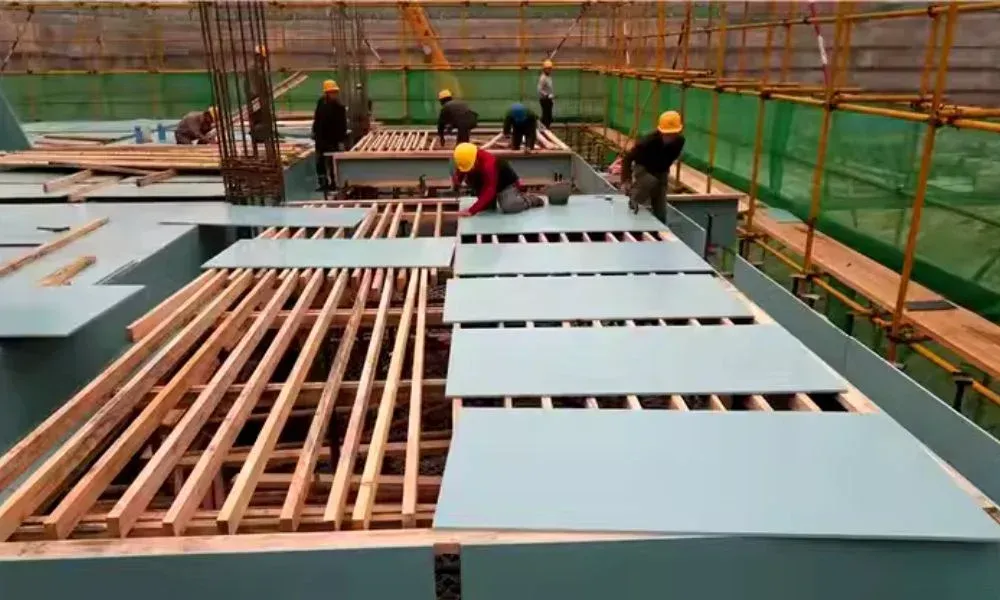
Improve Site Efficiency with Plastic Formwork: The Overlooked Benefits
In the fast-paced world of construction, efficiency is key. Every project manager and contractor is constantly searching for ways to cut down on time, reduce labour costs, and improve the quality of their builds. Switching from plywood to plastic formwork can help with all three.
This guide covers the overlooked benefits of plastic formwork, from cost savings to ease of use.
What is Plastic Formwork?
Before we dive into the benefits, it’s important to understand exactly what plastic formwork is. Plastic formwork is made from a durable engineered plastic and used to mould concrete into the desired shape. It is a reusable alternative to plywood, which wears out after a few pours.
Plastic formwork panels come in a range of sizes and can be easily connected to create complex forms for walls, slabs, foundations, and columns. Its versatility and ease of assembly make it a popular choice for construction projects of all sizes.
The Untold Benefits of Plastic Formwork
Boost Site Efficiency with Faster Setup and Dismantling
One of the standout advantages of plastic formwork is how quickly it can be set up and dismantled compared to traditional materials like timber or steel. Plastic sheets can be cut, drilled and nailed with standard tools, and they release cleanly, so setup and stripping are straightforward.
The quick assembly process reduces labour time, allowing you to move through the construction phases faster, ultimately shortening your project timelines. Faster dismantling also means less downtime between tasks, keeping your site productive and moving efficiently.
Cut Costs with Reusable Panels
While traditional timber formwork can only be used a handful of times before it needs replacing, plastic formwork sheets are designed for 50–100+ uses. That can mean a saving of up to 70–80% on replacement costs. By investing in durable plastic formwork, you eliminate the need to frequently purchase new materials, helping you stay on budget and allocate resources more effectively.
In addition to reducing material costs, plastic formwork also cuts down on waste disposal expenses. When timber formwork becomes damaged, it often has to be discarded, generating waste that can be costly to remove from a site. With plastic formwork, the reusability factor means less waste, creating a more sustainable and cost-efficient operation.
Durability for All Weather Conditions
One of the biggest challenges on any construction site is dealing with unpredictable weather conditions. Traditional materials like wood can warp, rot, or deteriorate when exposed to moisture, while steel can rust and become difficult to handle in extreme temperatures. Plastic formwork, however, is highly resistant to these issues.
Plastic formwork is waterproof, making it well suited to rainy or humid sites. It doesn't swell, rot or rust, so it keeps its shape through repeated wet pours.
Less Waste
The construction industry is increasingly focused on sustainability and reducing its environmental impact. Plastic formwork sheets can be reused 50–100+ times, so you buy far fewer replacement sheets.
In addition to the reusability factor, plastic formwork also creates less waste on construction sites. Traditional timber formwork is often discarded after a few uses, creating large amounts of waste that must be disposed of. Plastic formwork reduces this waste.
Handling and Safety
Safety is always a top priority on construction sites. Heavy steel forms often need lifting equipment and add manual-handling risk. Plastic sheets are much lighter than steel forms.
As with any sheet material, follow safe manual-handling practices and your site's WHS procedures.
Achieve Smooth Concrete Finishes
One of the lesser-known benefits of plastic formwork is its ability to deliver smooth, high-quality finishes on concrete surfaces. Traditional timber formwork can often leave imprints or inconsistencies on the concrete, requiring additional time and labour to smooth out. Plastic formwork, on the other hand, gives a smooth, even surface.
This means less post-construction work is needed to perfect the finish, saving you both time and money in the final stages of your project. The smooth finish can also reduce the need for rendering.
How Plastic Formwork Can Revolutionise Your Next Project
Speed Up Project Timelines
Less time replacing and re-cutting worn sheets helps keep pour cycles on schedule.
Lower Your Project Costs
Plastic formwork's reusability and durability make it a cost-effective option over the life of the sheets. By reducing the need for frequent material purchases and minimising waste, you can keep your project costs under control.
Enhance Concrete Quality
The smooth finish from plastic formwork can reduce costly patching and rendering after stripping.
Common Misconceptions About Plastic Formwork
Plastic formwork is too expensive.
While plastic formwork may have a higher upfront cost than traditional materials, its long lifespan and reusability make it far more economical over time. Using the same sheets for 50–100+ pours can save up to 70–80% on replacement costs, which outweighs the higher initial price.
Plastic formwork isn’t as strong as timber or steel.
Plastic sheets behave differently from plywood and steel, so support spacing must suit the sheet and be set by the formwork design. Set up correctly, they handle repeated pours, and because they're waterproof they don't swell or delaminate.
Get a Quote
Ready to stop replacing plywood? Get a Quote for reusable plastic formwork sheets. Already using system formwork? See our replacement formwork facing sheets.
Contact us to learn more about using plastic formwork on your next project.