
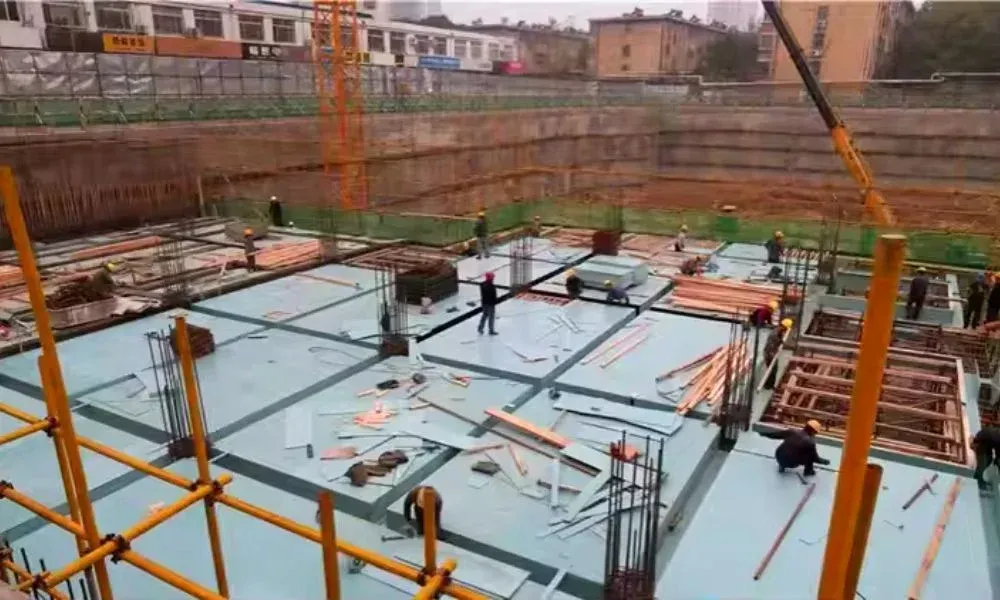
Why Plastic Formwork is the Secret Ingredient to Project Success
In today’s fast-paced construction environment, efficiency, cost-effectiveness, and sustainability have become more critical than ever. Amidst all the modern innovations, plastic formwork has emerged as a true game-changer, transforming how projects are executed and completed.
While traditional materials like wood and steel have long dominated the construction scene, plastic formwork offers advantages that can push your projects to new heights. But why exactly is plastic formwork the secret ingredient to project success?
Let’s explore its benefits and how it can revolutionise your construction game.
The Power of Plastic Formwork
Plastic formwork is reusable formwork made from a durable engineered plastic, assembled and stripped for concrete casting. While it’s been around for a while, it’s only recently gained traction as more construction professionals recognise its immense potential. Here are some of the reasons why plastic formwork is becoming an essential tool in the construction industry:
Durability: Plastic formwork is built to last. Unlike wood, which can warp or degrade after multiple uses, plastic formwork sheets are designed for 50–100+ uses, making them an investment that keeps paying back.
Easy to Work: Plastic sheets can be cut, drilled and nailed with standard tools, and they are much lighter than steel forms.
Precision and Uniformity: Plastic formwork provides uniform casting, ensuring smooth and accurate finishes, which helps in reducing the need for post-casting refinements.
Reusable: Reusing the same sheets 50–100+ times means far less worn formwork in the skip.
Faster and More Efficient Builds
One of the most significant advantages of plastic formwork is its ability to speed up project timelines. Plastic sheets don't need replacing every few pours, so crews spend less time cutting and fixing new plywood and more time pouring.
In a competitive industry where time is money, using plastic formwork can lead to faster project completion, fewer delays, and more satisfied clients. It is particularly advantageous for large-scale projects like high-rise buildings, where formwork needs to be moved and reused quickly to keep the construction schedule on track.
Cost Savings: A Long-Term Investment
While plastic formwork might have a higher upfront cost than traditional wood formwork, its long-term savings are undeniable. Because each sheet is designed for 50–100+ uses, the same formwork can serve many pours, which can mean a saving of up to 70–80% on replacement costs.
Moreover, its durability ensures that you don’t have to frequently replace panels, which is often necessary with wooden formwork due to wear and tear.
Workers also spend less time cutting and installing replacement formwork, freeing them for other tasks.
Improved Safety on the Job Site
Construction sites are high-risk environments, with worker safety being a top priority. One of the challenges of using traditional wood or metal formwork is the heavy weight and risk of injury during installation and dismantling. Plastic sheets are much lighter than steel forms, which helps with manual handling. Follow your site's WHS procedures as you would with any sheet material.
Enhanced Flexibility and Versatility
Plastic formwork systems offer an incredible amount of versatility. They can be customised to fit various architectural designs, whether you’re working on a simple residential building or a complex commercial structure.
It's waterproof, unlike wood, which can swell or warp when exposed to moisture. This makes plastic formwork an excellent option for regions with high humidity, rain, or exposure to other challenging elements.
Sheets can be cut on site to suit angled or specific shapes.
Less Waste
Plastic formwork is reusable, which reduces waste on your projects.
Unlike plywood, which generates waste every few pours, plastic formwork lasts longer and needs fewer replacements.
How to Incorporate Plastic Formwork Into Your Projects
Evaluate Your Project’s Needs:
Determine whether plastic formwork is appropriate for your project based on size, complexity, and timelines. It’s particularly beneficial for large-scale projects, but it can also provide advantages for smaller builds.
Get in Touch with Formwork Experts:
Speak to formwork suppliers or manufacturers who specialise in plastic formwork systems. They can help you choose the best product for your project and provide insights on maximising efficiency.
Get a Quote:
Tell us about your project and Get a Quote for reusable plastic formwork sheets.
Train Your Team:
Once you’ve decided to incorporate plastic formwork into your construction process, train your team to assemble and dismantle the modular components efficiently. This ensures a smooth transition and quicker implementation on-site.
Unlock Project Success with Plastic Formwork
Plastic formwork is more than just an alternative to traditional materials; it's a key ingredient for project success. Its durability, reusability and finish quality make it a valuable tool for modern construction, whether you want to reduce costs, cut waste or get a more consistent finish.
Ready to transform your construction game with plastic formwork?
Get a Quote for your next project, or contact us with any questions about plastic formwork. Already running system formwork? See our replacement formwork facing sheets.