
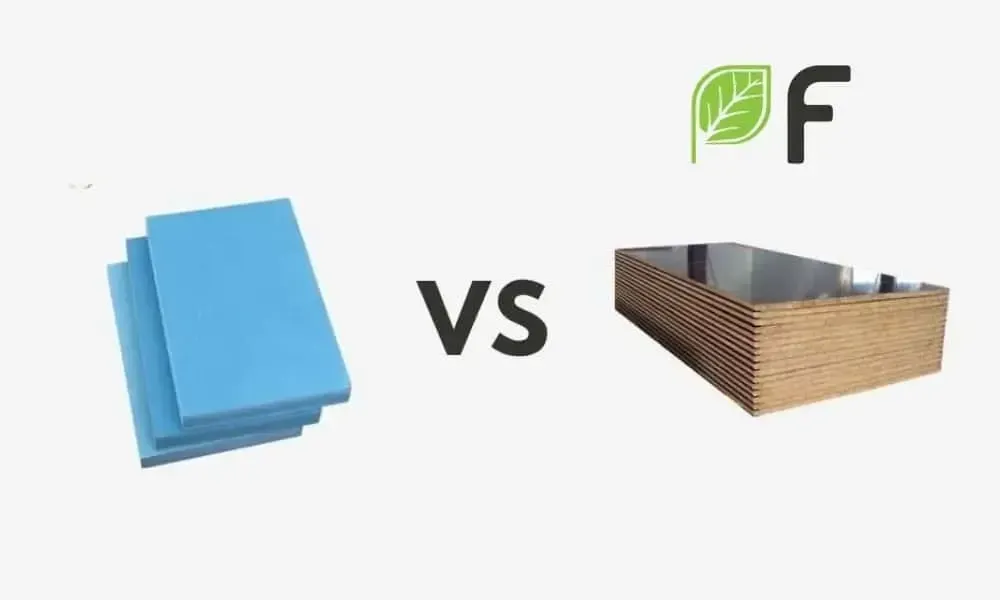
Wood vs Plastic: The Battle for Formwork Supremacy
In the construction world, formwork plays a crucial role in shaping the concrete that forms the backbone of any structure. Historically, wood has been the material of choice for formwork, valued for its availability and cost-effectiveness. However, modern construction demands have given rise to innovative alternatives like plastic formwork, designed to address the limitations of traditional wooden systems.
This blog explores the battle between wood and plastic formwork—an in-depth comparison of the two materials, highlighting their advantages, disadvantages, and how each can impact your construction projects. In the end, you’ll gain valuable insights to determine which material is best suited for your next project.
What is Formwork?
Before diving into the debate, let’s define what formwork is and why it’s essential in construction. Formwork refers to the temporary or permanent moulds used to hold poured concrete in place until it hardens and takes shape. Formwork is critical for ensuring the structural integrity and shape of concrete, impacting the quality, speed, and cost of the overall project.
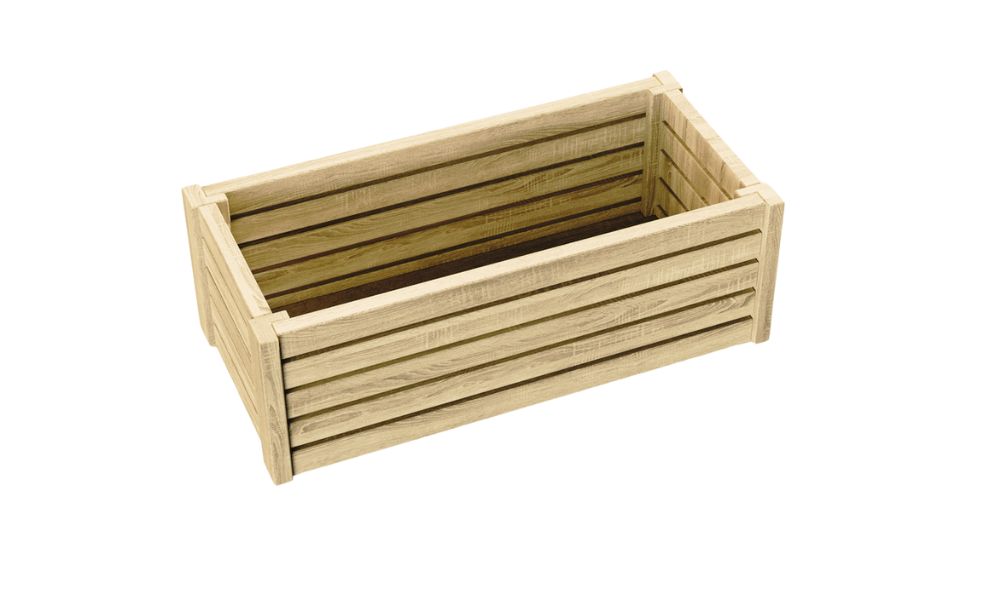
Wood Formwork: The Traditional Champion
Wood formwork has long been the go-to solution for construction projects, especially in traditional and small-scale builds. The material is typically made from timber and plywood, with formwork being custom-built on-site. It’s popular for good reason, as it provides a range of benefits.
Advantages of Wood Formwork
Cost-Effective for Short-Term Projects
Wood formwork is often chosen for its relatively low upfront cost, particularly for small-scale or one-time projects. Since wood is easily sourced and widely available, it is an attractive option when budget constraints are top of mind.
Customisable and Versatile
Wood formwork can be cut and shaped to fit virtually any design or architectural detail. For custom or intricate designs, wood allows for flexibility in construction, accommodating non-standard shapes with ease.
Familiarity and Tradition
Many contractors and workers have extensive experience working with wood formwork, making it an easy choice due to familiarity. The techniques for assembling and dismantling wood formwork have been passed down through generations.
Disadvantages of Wood Formwork
Limited Reusability
One of the major downsides of wood formwork is its limited reusability. Timber and plywood degrade over time, especially when exposed to moisture and weather conditions. Plywood formwork typically lasts 3–8 uses before it needs replacing, making it less cost-efficient in the long run.
Labour-Intensive Setup and Dismantling
Constructing and assembling wooden formwork can be labour-intensive, requiring skilled workers to cut, fit, and secure the materials. This results in longer setup times, which can slow down project timelines.
Environmental Impact
Discarded plywood formwork often ends up in landfill, and frequent replacement means more waste on site.
Vulnerability to Weather Conditions
Wood formwork is susceptible to warping, rotting, and mould when exposed to moisture. It can also split, crack, or lose its shape under pressure, affecting the quality of the concrete and requiring repairs or replacements during the project.
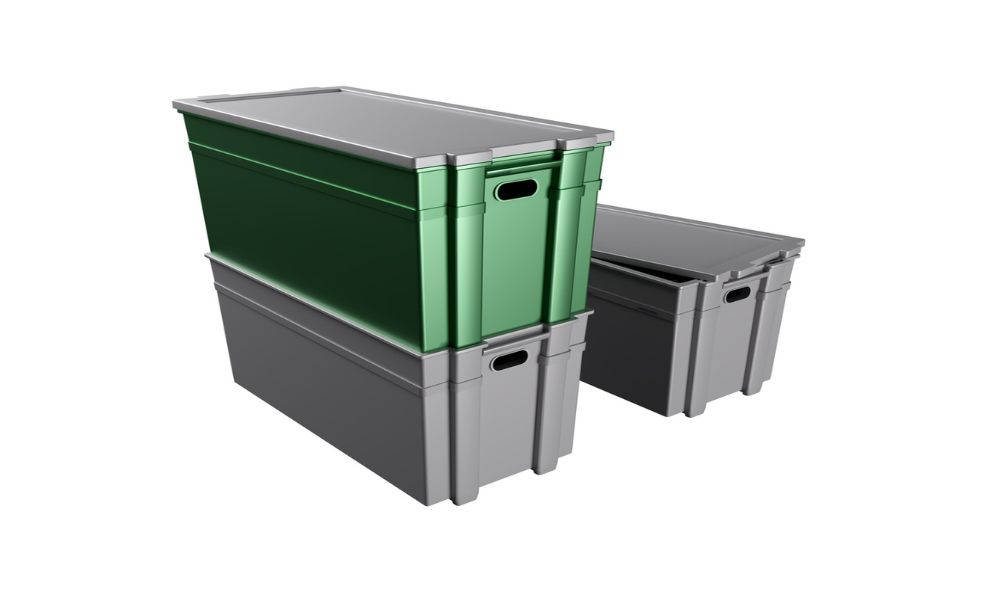
Plastic Formwork: The Modern Contender
Plastic formwork is a relatively new player in construction, but its growing popularity is hard to ignore. Made from a durable engineered plastic, plastic formwork sheets are designed for 50–100+ uses. Its innovative design and ease of use make it an attractive option for modern construction projects.
Advantages of Plastic Formwork
Highly Reusable
Unlike wood, plastic formwork sheets are designed for 50–100+ uses, which can mean a saving of up to 70–80% on replacement costs. By investing in plastic formwork, construction firms can reduce the need to frequently purchase new materials, cutting down on overall project costs.
Faster Setup and Dismantling
Plastic formwork releases cleanly and doesn't need replacing every few pours, so crews spend less time stripping, cleaning and re-cutting forms.
Durability in Wet Conditions
Plastic formwork is waterproof, so it doesn't swell, warp or rot like wood when exposed to moisture, giving reliable performance through wet weather.
Less Waste
Its long lifespan and reusability reduce waste on site, with far fewer worn sheets going to the skip.
Easy to Work
Plastic sheets can be cut, drilled and nailed with standard tools, much like plywood.
Smooth and Precise Concrete Finishes
Plastic formwork produces consistent, smooth finishes, reducing the need for additional treatments or repairs after the concrete has been set. This can reduce patching and rendering, saving time.
Disadvantages of Plastic Formwork
Higher Upfront Cost
One potential downside of plastic formwork is its higher initial investment compared to wood. However, when considering its long-term reusability, the initial cost is offset by the savings accrued from repeated use.
Less Customisable for Complex Designs
Plastic formwork may not offer the same level of flexibility as wood when dealing with highly intricate or custom shapes. While modular and adjustable, plastic panels are generally best suited for more standardised forms.
Wood vs Plastic: A Head-to-Head Comparison
Let’s take a closer look at how wood and plastic formwork stack up in key areas:
Which Formwork Should You Choose?
The decision between wood and plastic formwork ultimately depends on the specific needs of your project. If you’re working on a short-term or small-scale project with a limited budget, wood formwork might be a good fit. It’s cheaper upfront and familiar to many workers, making it a safe choice for traditional builds.
However, if you reuse formwork across many pours, plastic formwork is usually the better choice. Its reusability and durability make it a smart investment where you want to cut costs over time and avoid swollen, delaminated sheets.
Get a Quote for Plastic Formwork
Still not sure which formwork is best for your project? Plastic Formwork supplies reusable plastic formwork sheets for residential, commercial and civil work.
Get a Quote to see what plastic formwork would cost for your next project.
Already using system formwork? See our replacement formwork facing sheets, cut to suit your panels.